Springs · Cainsville
Torsion Spring Replacement in Cainsville
You heard a sharp bang from the garage, and now the opener hums for a second and gives up.
In plain words
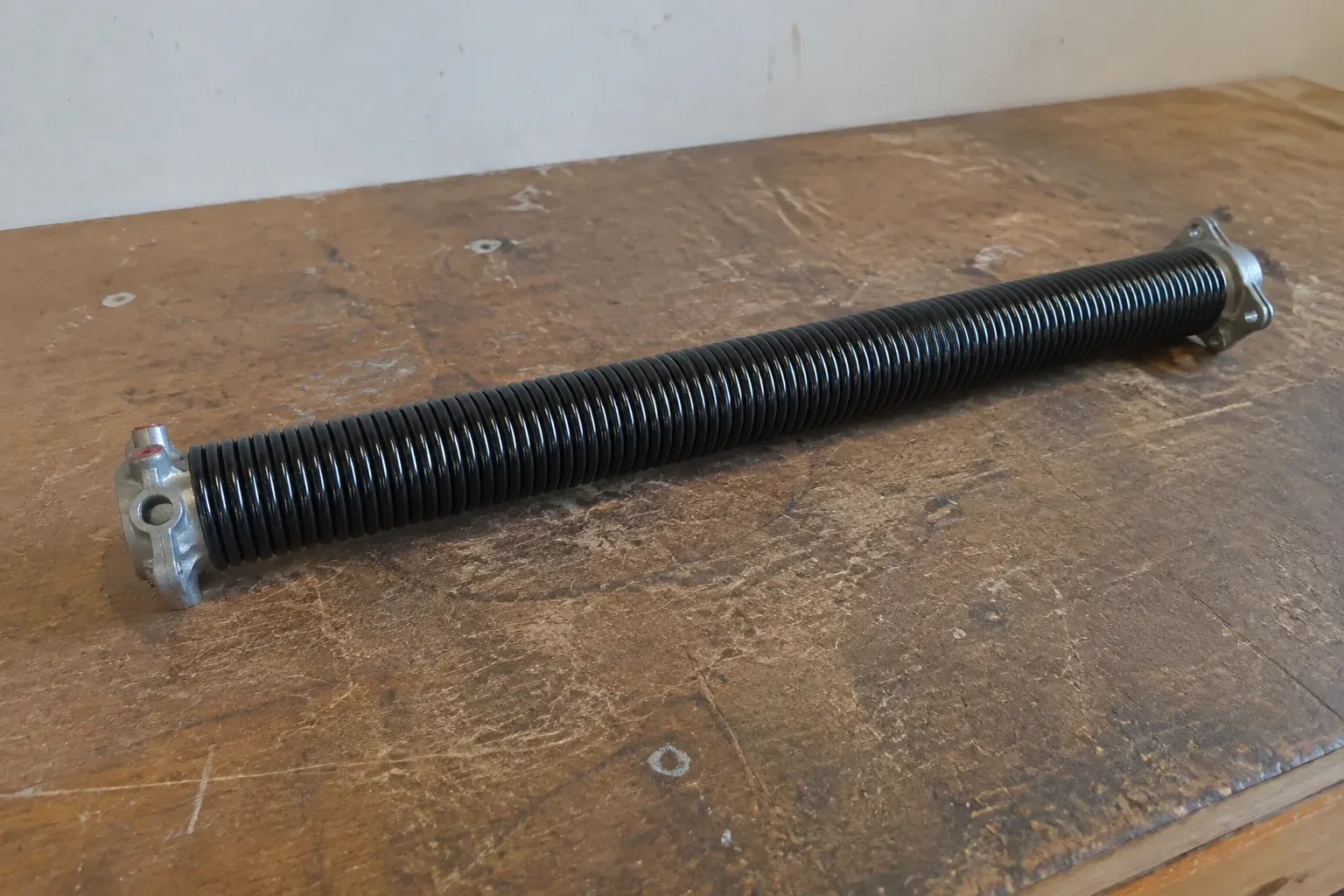
Torsion spring replacement restores the counterweight that makes a garage door light enough to lift. A sectional door often weighs more than a fridge, and the spring above the opening carries nearly all of that load, storing energy as the door closes and releasing it as it opens. When a spring breaks or wears out, the technician removes it, fits a spring matched to the door's weight and height, winds it to the correct number of turns and checks that the door balances at every point of travel. The opener returns to doing its light share of the work, and the door moves smoothly and evenly again.
How the visit goesThe door drops the last stretch to the floor rather than settling, and when you stop it halfway by hand it slides down instead of staying put. Balance has drifted, and the spring is no longer holding its share of the weight.
Torsion Spring Replacement
How the visit goes
Weighing the door honestly
A spring is chosen for a specific load, so the technician establishes what the door actually weighs rather than guessing from its appearance. With the opener released and any remaining tension safely removed, a scale under the bottom section gives a real figure. Construction is recorded alongside it: single-skin steel, insulated steel sandwich, solid wood, glass panels or an aluminum frame all sit at very different weights for the same size. Extras count as well, including added windows, a heavy bottom seal or panels replaced over the years. That weight, with the door's height, is the basis for the spring specification.
Setting the cables and drums
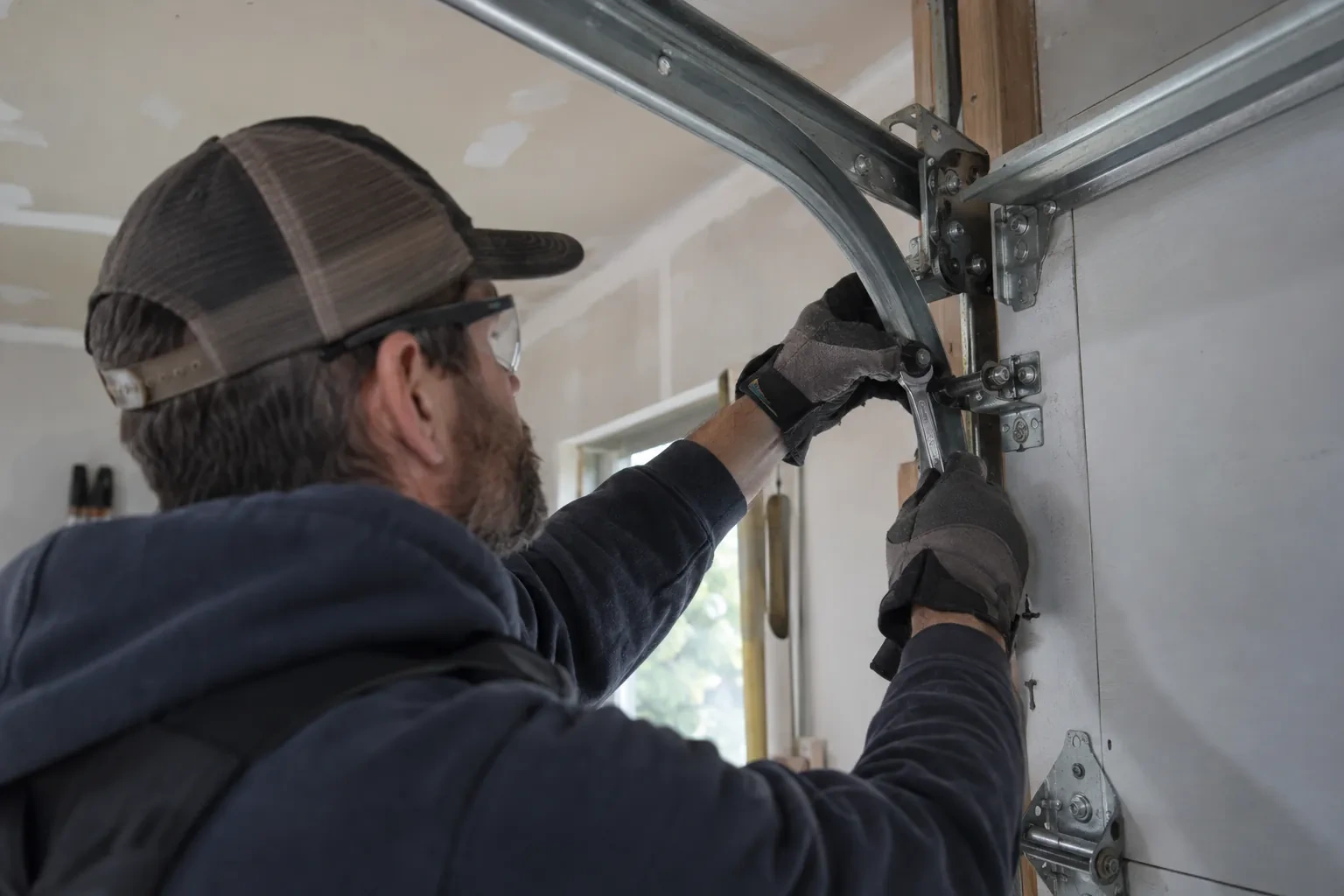
A balanced door depends on both cables pulling equally, so drum work gets careful attention. Each lift cable is wound into the grooves of its drum with the loop secured on the drum pin, and the drums are slid firmly against the end bearing plates. The technician rotates the shaft to take up slack, then sets tension so both cables are equally taut with the door fully closed; a level across the shaft confirms it is sitting true. Drum set screws are tightened to the shaft in this position. Even cable tension keeps the door square in its tracks through every part of its travel.
Signs worth noticing going forward
A healthy spring system is quiet and even, so changes stand out. Listen for a new grinding or popping sound as the door moves, watch that both sides of the door rise together, and look at the cables for fraying or a loop that has left the drum groove. Rust streaks below the shaft, a door that takes noticeably more effort by hand, or an opener that starts to strain are all early indicators that something in the balance system wants attention. Catching these early keeps repairs small and lets the household plan a visit rather than face a stuck door.
Torsion Spring Replacement
In the van
Torsion springs, oil-tempered or galvanized
End bearing plates
Stationary cone bolts and nuts
Locking pliers for the track
Centre bearing bracket and bearing
Torsion Spring Replacement
What affects the quote
Cycle rating chosen
A standard-cycle spring and a high-cycle spring balance the door the same way but differ in wire and length. Choosing a longer-life spring is an option the household can weigh against how often the door is used.
Condition of the lift cables
Cables that show fraying, rust or a kink at the bottom brackets are replaced so the new spring pulls on sound steel. Two good cables mean this item stays off the list.
Shaft condition
A bent, badly rusted or worn shaft is replaced so the drums and bearings turn true. Coupled two-piece shafts and their coupler are checked at the same time.
What to have ready
- Are the cables on either side still tight, or hanging loose?
- Can you send a photo of the spring area and the opener?
- Is the door currently closed, open, or stuck partway?
Torsion Spring Replacement: questions
QuestionsWhat is the difference between torsion and extension springs?
Torsion springs mount on a shaft above the door and twist to store energy, lifting the door through cables and drums. Extension springs run alongside the horizontal tracks and stretch as the door closes, pulling it up through pulleys. Torsion systems tend to lift more evenly, take up less space beside the tracks and are the standard on most modern doors. Both are professional service items because of the energy they hold.
What happens if the header wood or centre bracket is damaged?
The centre bracket anchors the spring's reaction force to the framing above the door, so it has to be solid. If the header has split or softened, or the lag bolts have pulled, the technician can refasten into sound wood, add a reinforcing plate or replace the bracket before the new spring is wound. Dealing with this first keeps the shaft level and the spring pulling straight, which protects the bearings and the door.
Will the new spring look the same as the old one?
Not necessarily, and that is fine. The paint colour on the winding cone or coil is a code that identifies wire size and wind direction, and different suppliers use their own schemes, so a matched replacement can carry a different colour than the spring it replaces. What matters is that the wire size, diameter, length and wind direction suit the door's weight and height, which is confirmed by the balance test.
Related services
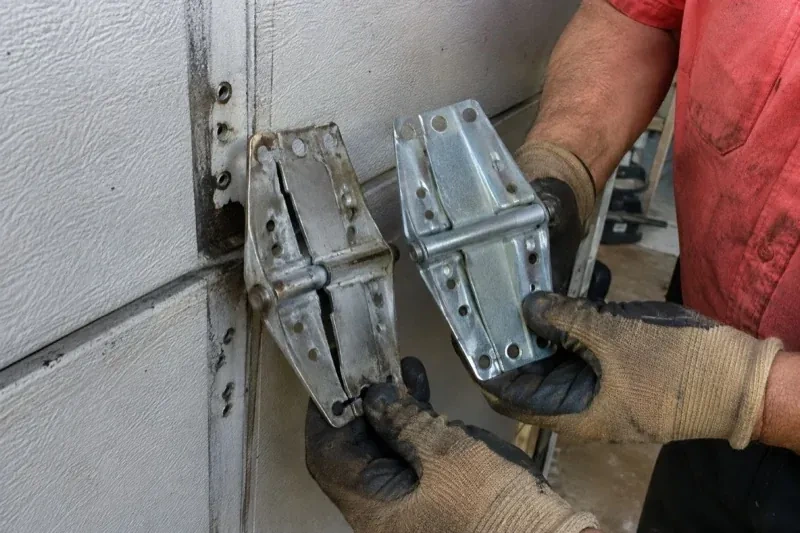
- Garage Door Hinge ReplacementPressing a hand against one of the middle hinges makes it rock on the panel.
- Garage Door Track Repair or ReplacementThe garage floor has settled at one corner, and the door now scrapes the concrete on that side while daylight shows at the other.
- Garage Door Cable ReplacementThe cable has wrapped itself around the shaft above the door instead of sitting on its drum.