Garage Doors in Cainsville, OntarioA frayed cableis a warning.
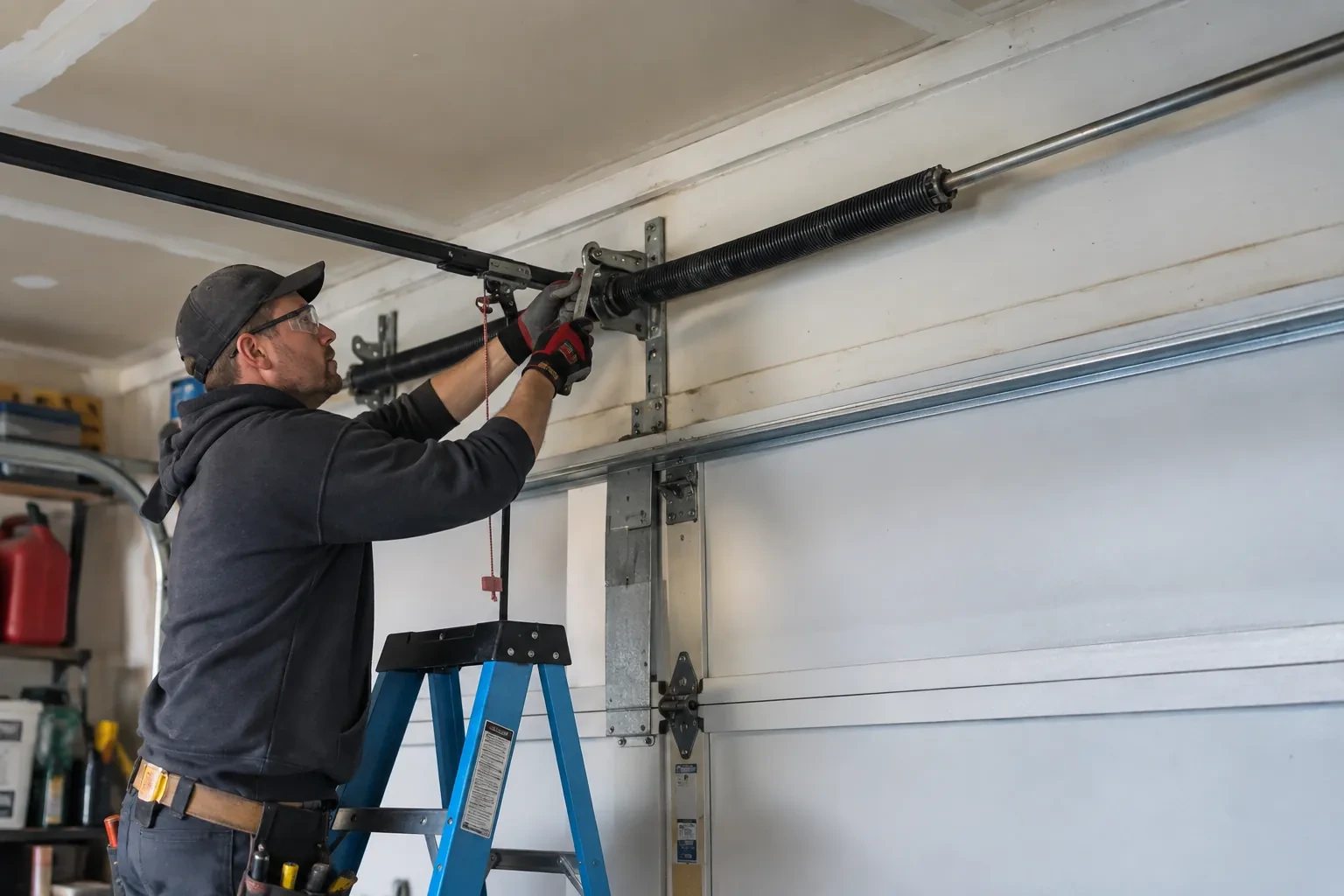
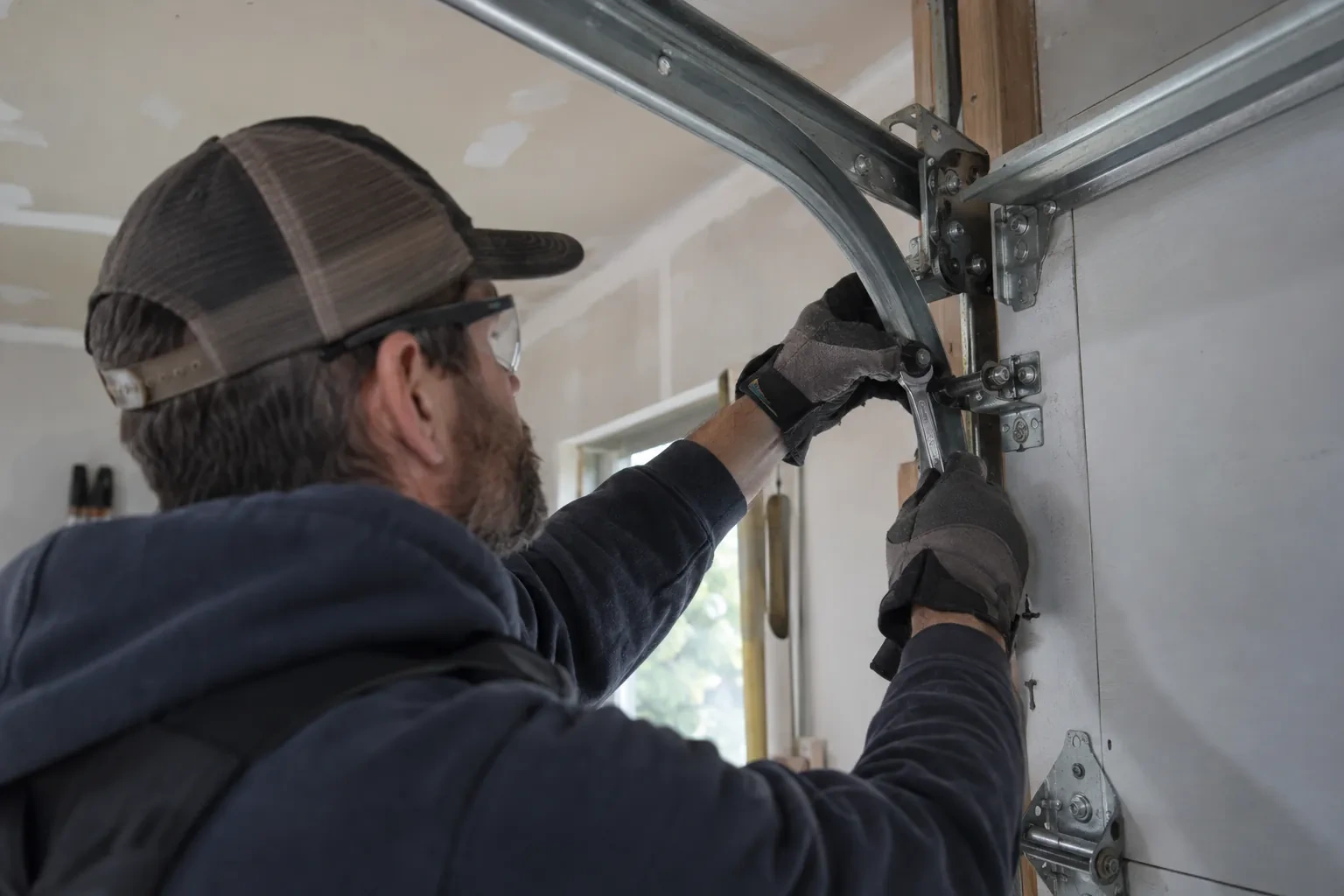
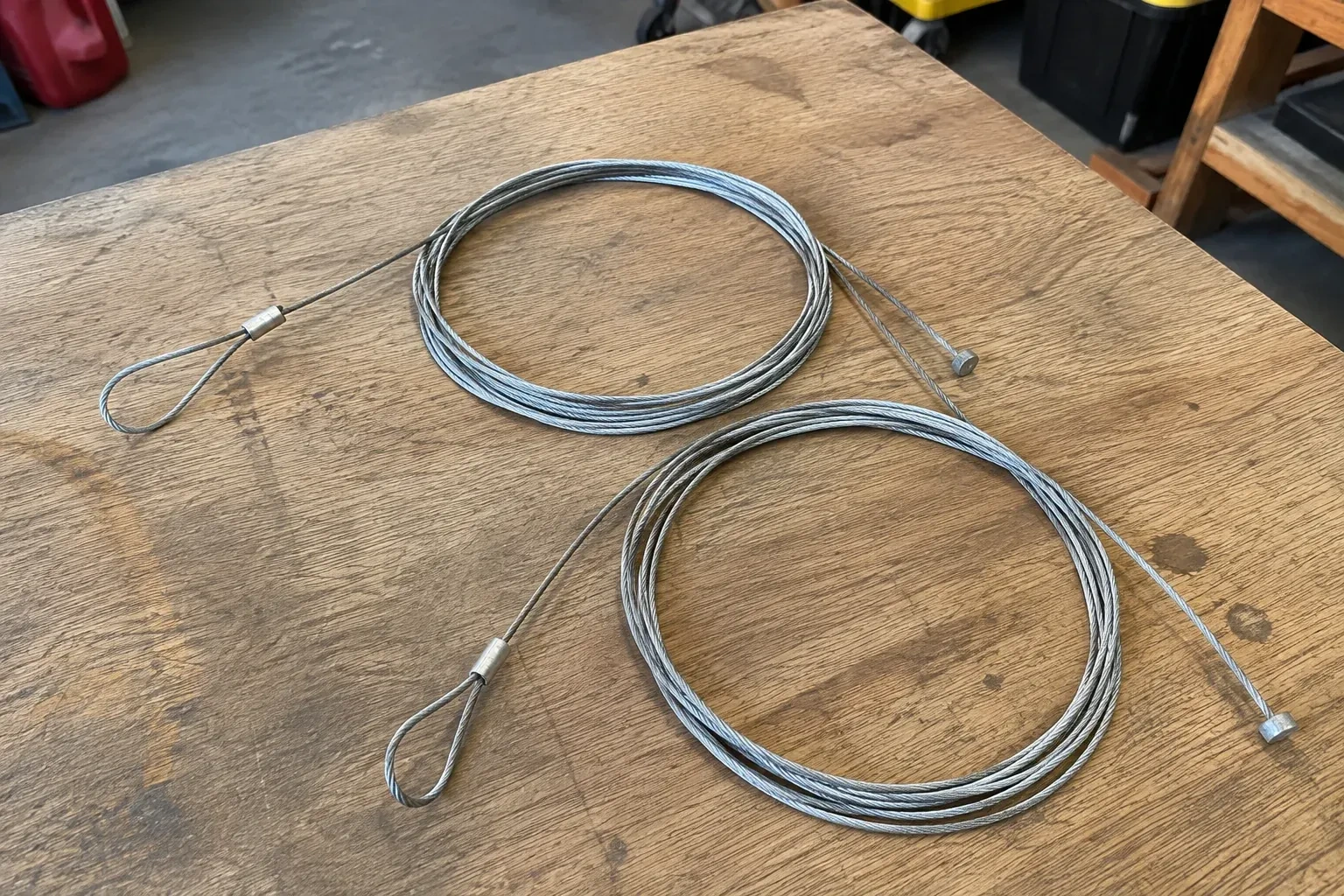
Lifting cables on a door in Cainsville show their age as a few broken strands near the bottom bracket, long before they snap. We inspect them on every visit, replace both cables together with new bottom fixtures, and check the drums and bearings that wear alongside them so the door lifts evenly. We serve Newport as well.
Lifting cables on a door in Cainsville show their age as a few broken strands near the bottom bracket, long before they snap. We inspect them on every visit, replace both cables together with new bottom fixtures, and check the drums and bearings that wear alongside them so the door lifts evenly. We serve Newport as well.
The garage door people.
We keep things plain for people in Cainsville. No jargon in the explanation, no surprises on the invoice, no work started before you have agreed to it. The technician shows you the problem, prices the options on the spot, and gets on with the repair once you say yes.
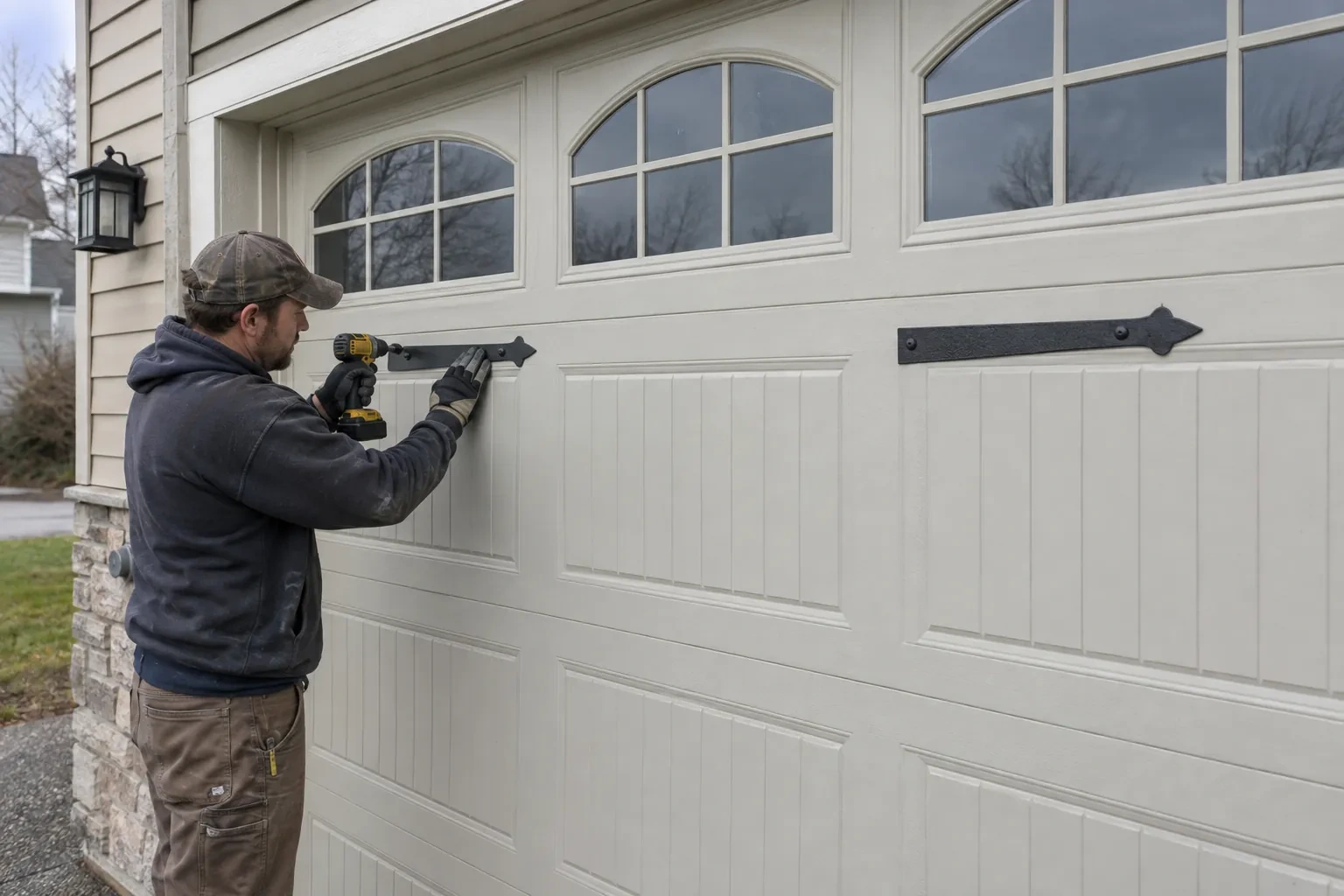
Choosing a new garage door in Cainsville is a decision about the front of your house as much as about the garage, and we treat it that way. A technician measures the opening, checks the headroom and framing, and brings real samples of insulated steel, carriage-house and glass designs. The door is installed carefully, balanced properly and demonstrated fully before we leave.
15years in business
24/7open every day
Told before touched. Nothing is adjusted or replaced until you have heard what we found and agreed with the plan for it.
Neat work, neat exit. New parts fitted cleanly, old ones removed, the floor and door wiped down. The garage is yours again the moment we leave.
Room to choose. We give you the practical picture and step back. Repair now, plan a replacement, or wait and watch: your call.
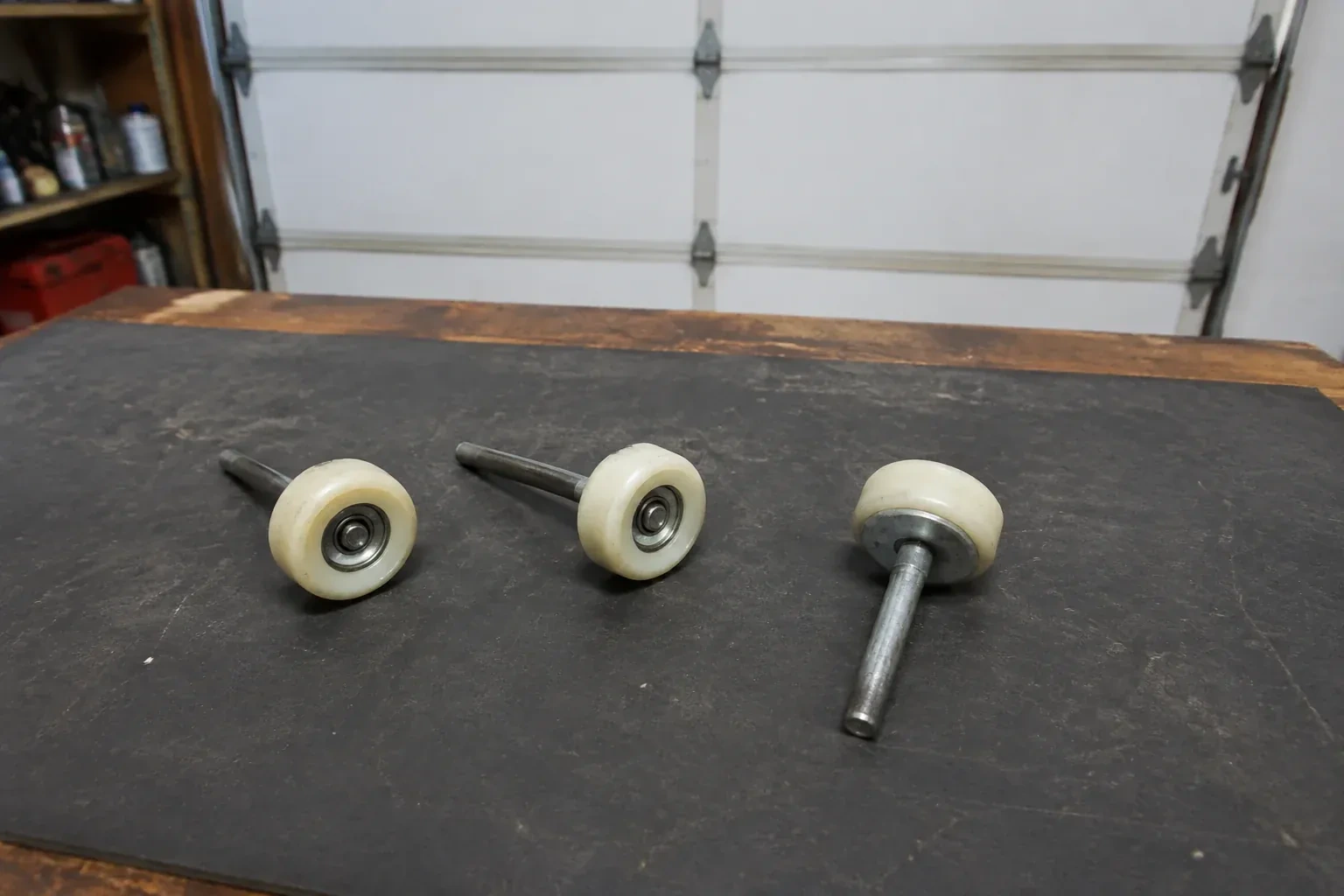
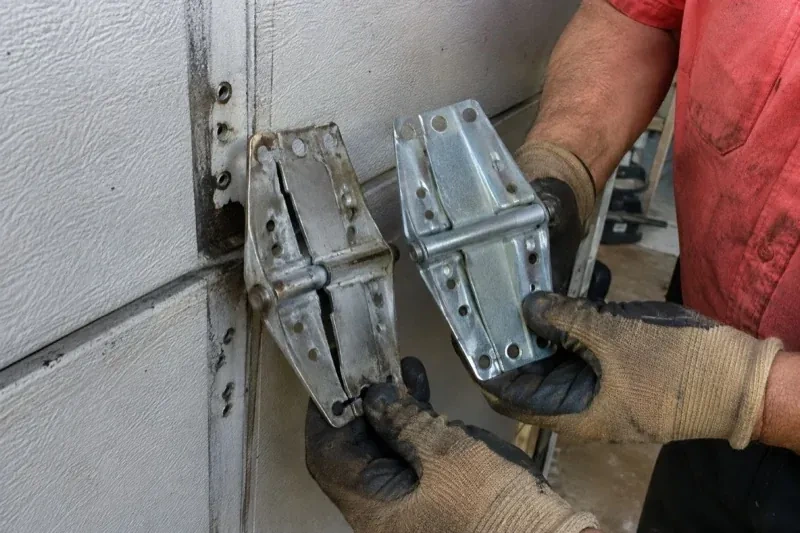
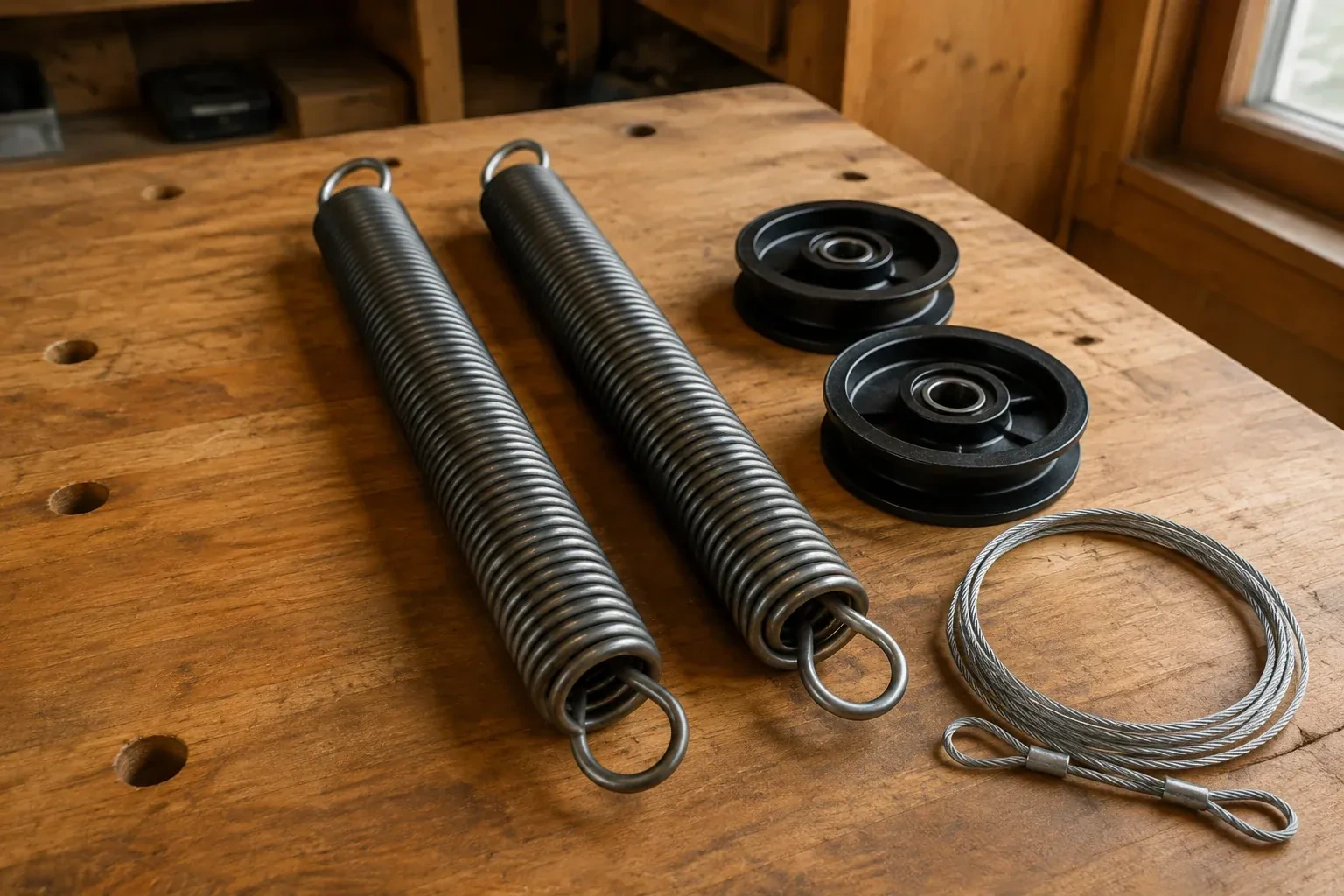
The services below are the ones we perform most often for garage doors in Cainsville. Springs and cables top the list, followed by opener repairs, roller and hinge replacement, seal and weatherstrip work, balance and safety adjustments, remote programming and, when the time comes, new doors.
About 50% of homes in Brant were built in 1980 or earlier, according to the 2021 Census.
Older homes
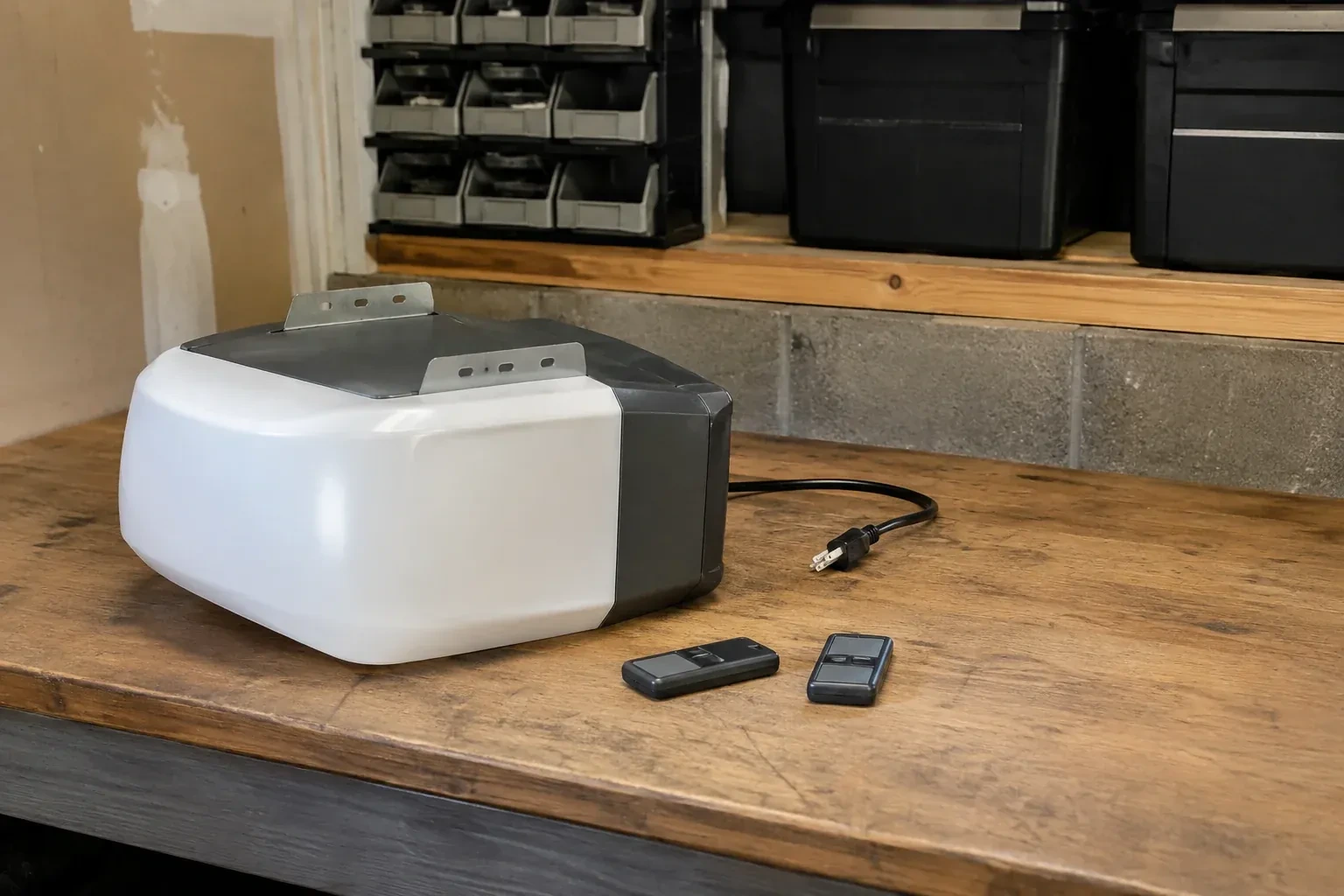
Wiring in an older garage may be a single outlet on the ceiling shared with the light, so a new opener is chosen with that in mind, and a battery backup covers the door during a power cut. The technician looks at the outlet before recommending a unit.
Single-detached houses make up about 81% of homes in Brant (2021 Census).
Mostly houses
A detached house with its own garage is a natural fit for upgrades that need space: a jackshaft opener to free the ceiling, a high-lift door for a car hoist, or a wider door when a bigger vehicle arrives. The technician measures the opening and headroom and says what fits.
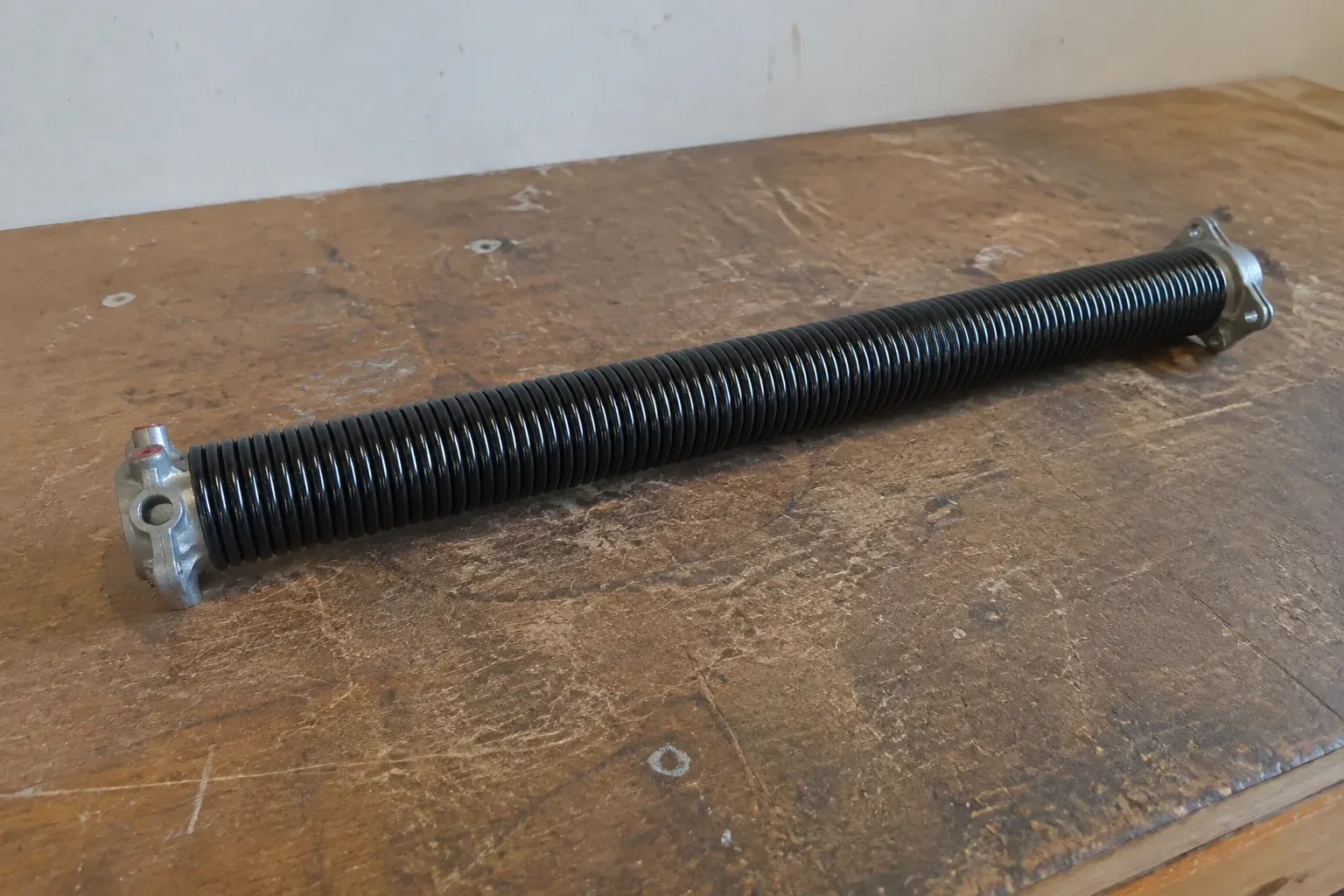
A spring can look fine and still be finished. Coils that have lost their gap, rust pitting along the wire and a door that needs a shove to start moving are all signs. Inspection is part of every hardware visit.
The door opens about a third of the way and stops. Turning the limit screw on the head has made no difference, and the trolley seems to sit in the wrong place along the rail when the door is fully closed.
After the power came back you pulled the red cord to get the car out. Since reconnecting, the door stops short of the floor, and no amount of turning the limit adjustment brings it the rest of the way down.
Press the button and the motor hums, but the door stays exactly where it is. Under the housing there is a dusting of white plastic shavings, the sign of a stripped drive gear, and this is the second time it has happened.
Someone backed the car in a little too far, a bin or a bicycle brushed the track, and since then the door starts to close and comes back up. One sensor now sits at a slightly different angle from the other.
Your garage is detached and has no side door. The remote is dead, the keypad is dead, and the small round lock in the top panel is meant to be your way in.
WhyA rolling door that has become unusually heavy or starts to drift is asking for a counterbalance assessment.
How a visit goes
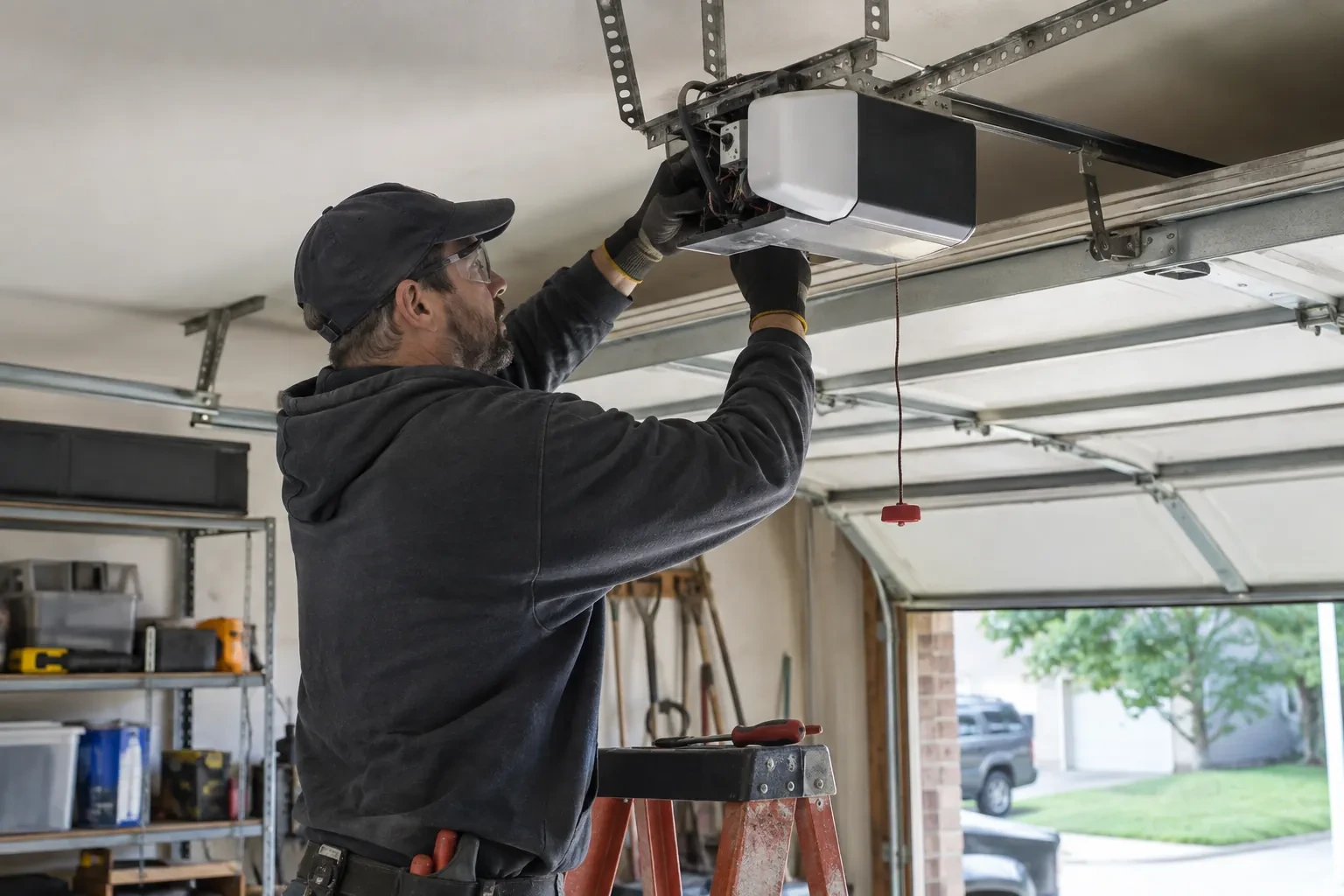
Describe the property, the hardware and what has changed, and the visit starts from what you have seen.
01
Say what you noticed
A new noise, a hesitation, a gap at the bottom. Small observations point us to the right part before we even arrive.
02
Diagnosis you can follow
We show you what we find as we find it: the worn cable, the tired spring, the sensor out of line. No mystery about the cause.
03
Work done and shown
The repair is completed, the door tested through full travel, and the result demonstrated so you know exactly what changed.
An entrance. Not an afterthought.
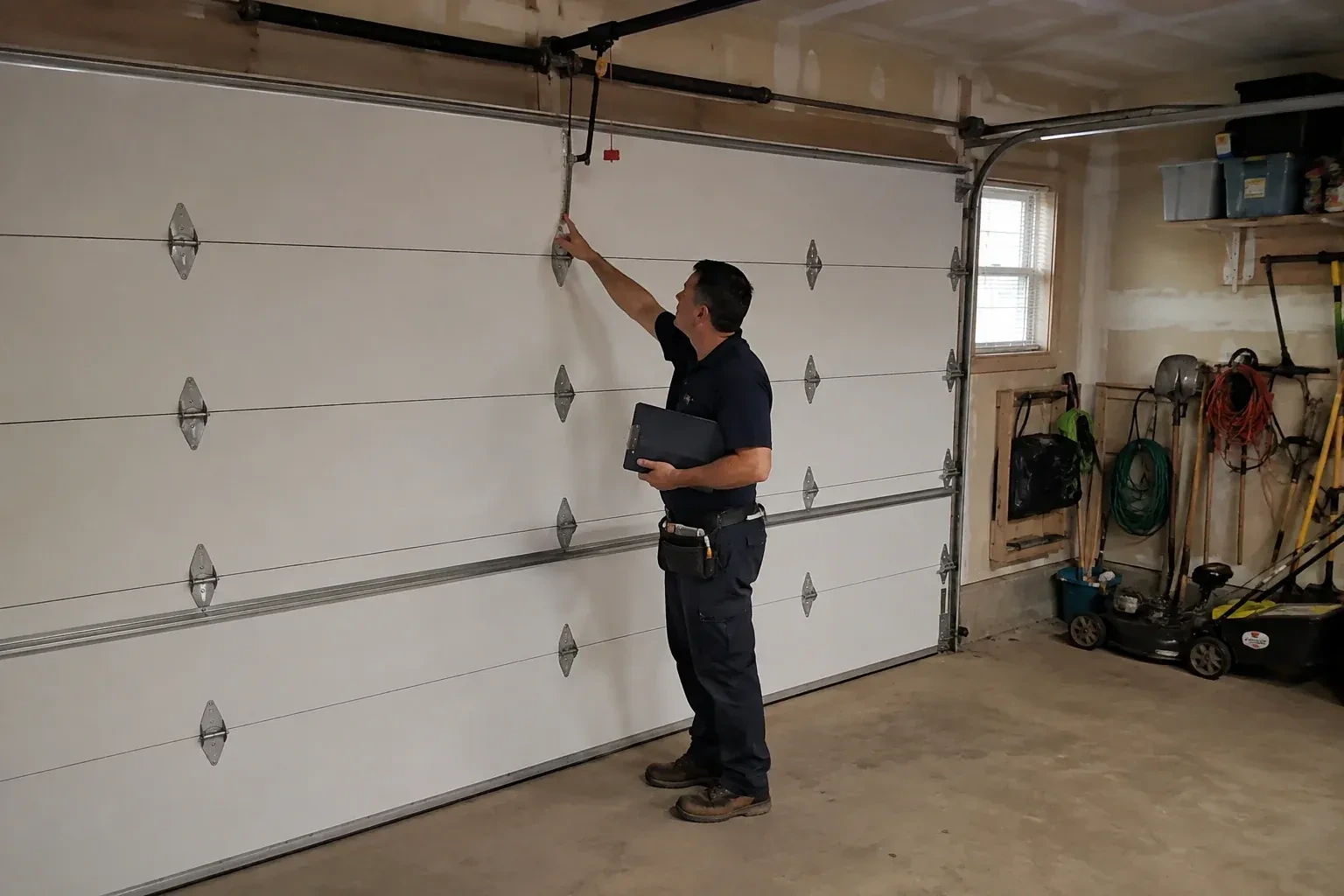
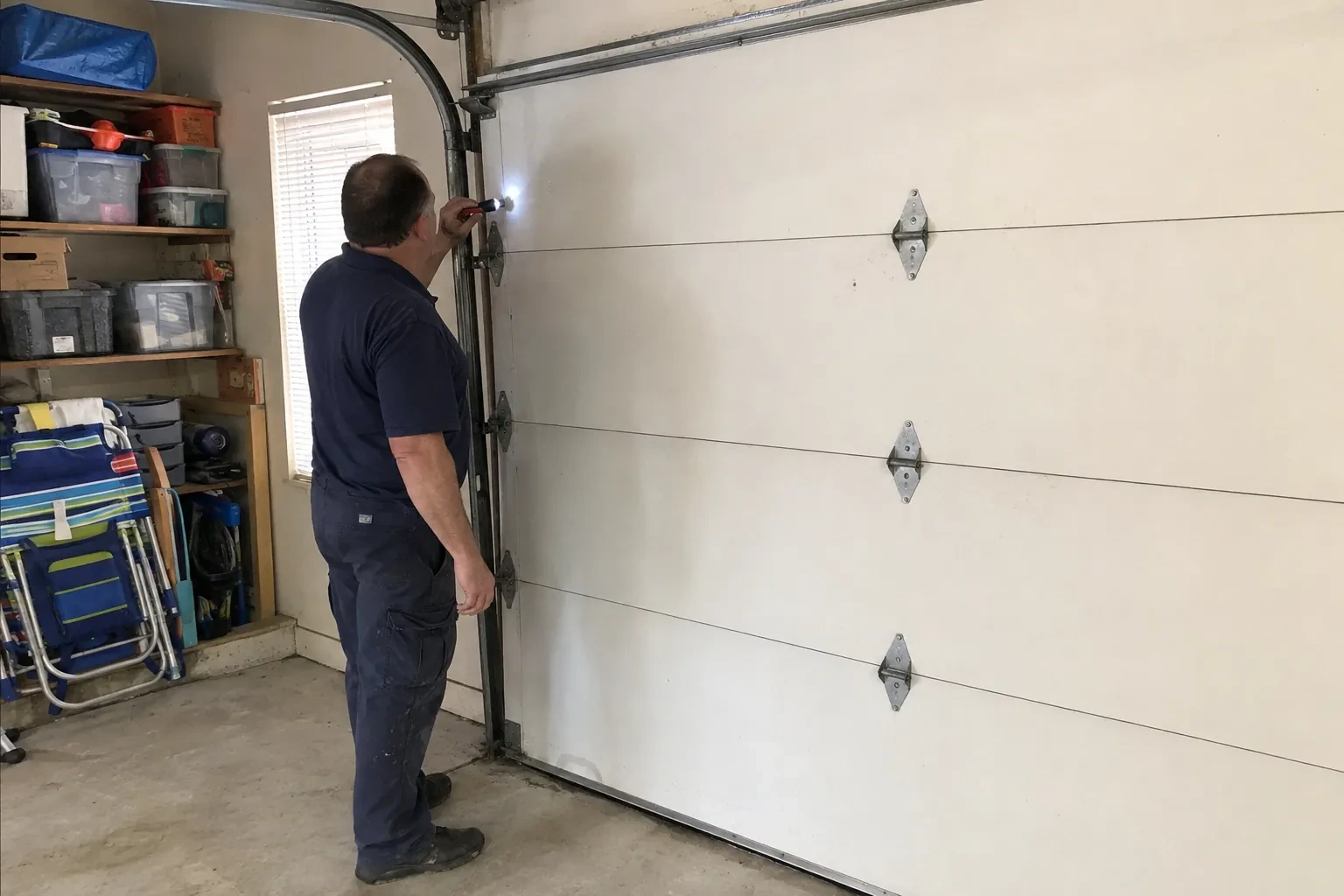
1/10Garage Door Safety Inspection
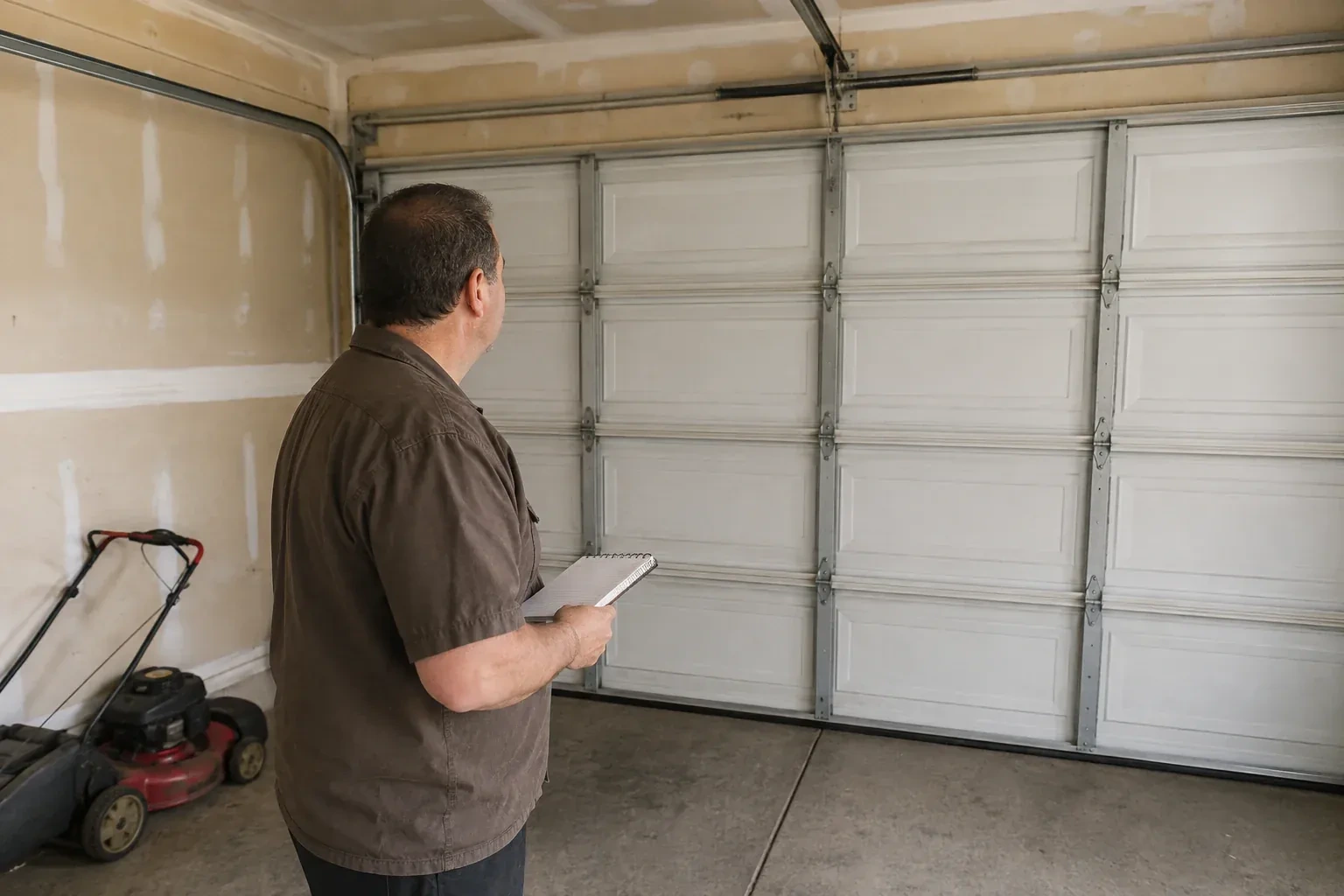
Your toddler has discovered the wall button. You want to know, from someone who checks these things for a living, that the door will stop and reverse if a small person is under it.
The garage doubles as a workshop, and with the heater running the floor near the door stays cold and the draft finds your ankles at the bench. When the wind is up you can feel the air moving under the door.
The door climbs crooked, one side clearly ahead of the other. Nothing looks broken, but the two tracks sit different distances from the door, and one leans in toward the opening near the top.
The door drops the last stretch to the floor rather than settling, and when you stop it halfway by hand it slides down instead of staying put. Balance has drifted, and the spring is no longer holding its share of the weight.
Released from the opener, the door will not hold anywhere. Lift it to hip height, take your hands away, and it sinks back to the concrete, gathering speed on the way down. Two years ago it used to hover exactly where you left it.
You want the ceiling back. A storage loft, a vehicle lift or kayak racks would fit if the long rail and motor box were not hanging in the middle of the garage, and the low ceiling of an older house leaves little room for the standard rail anyway.
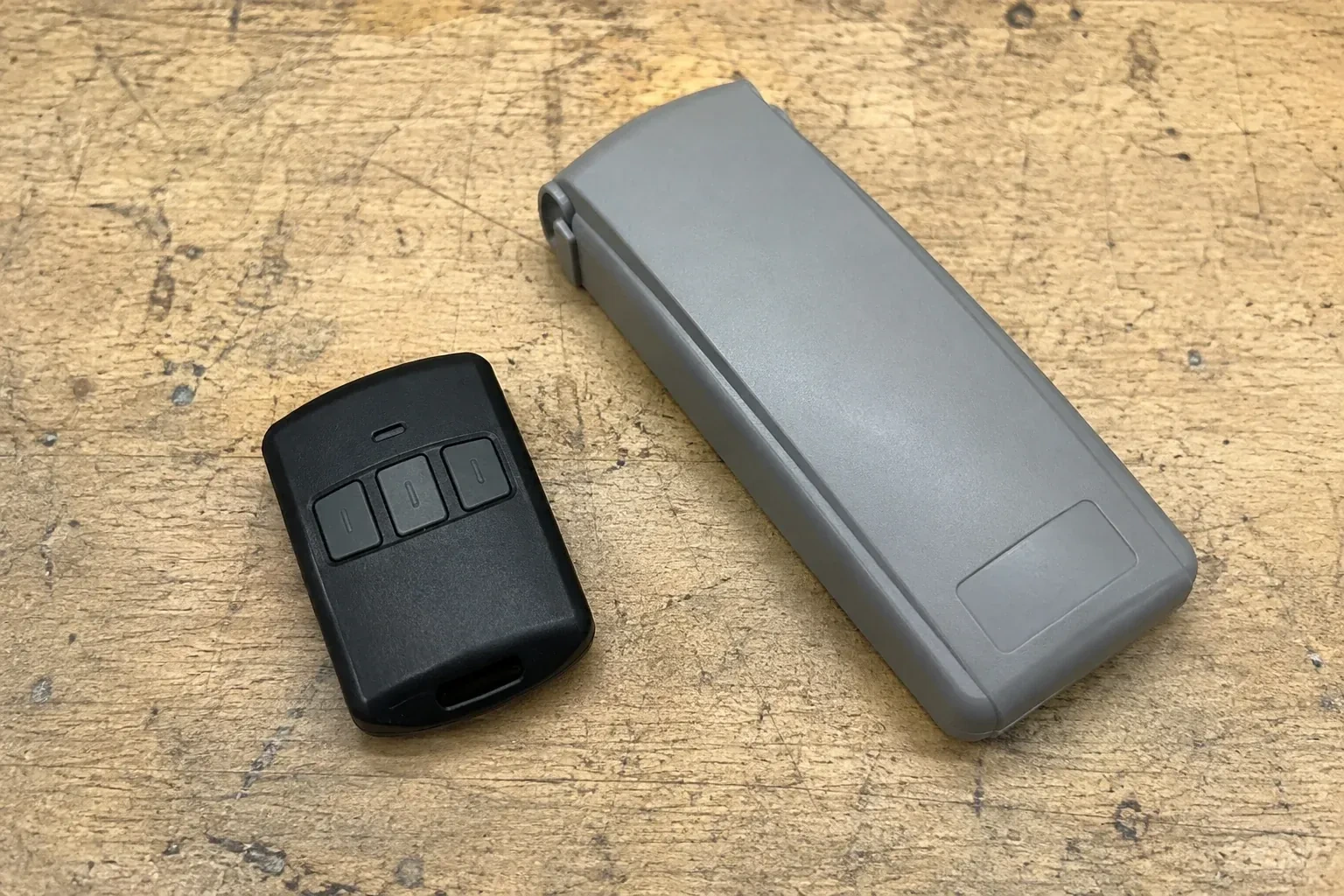
After the move, the previous owner's remotes are somewhere in another city and the keypad on the outside wall wants a code nobody wrote down. The wall button works. Nothing else does, and you have no idea who else can open your garage.
A contractor is coming to work in the garage on Thursday while you are away. Handing over a remote means chasing it back afterwards, and the keypad code is the one your whole family uses. What you want is access that ends when the job does.
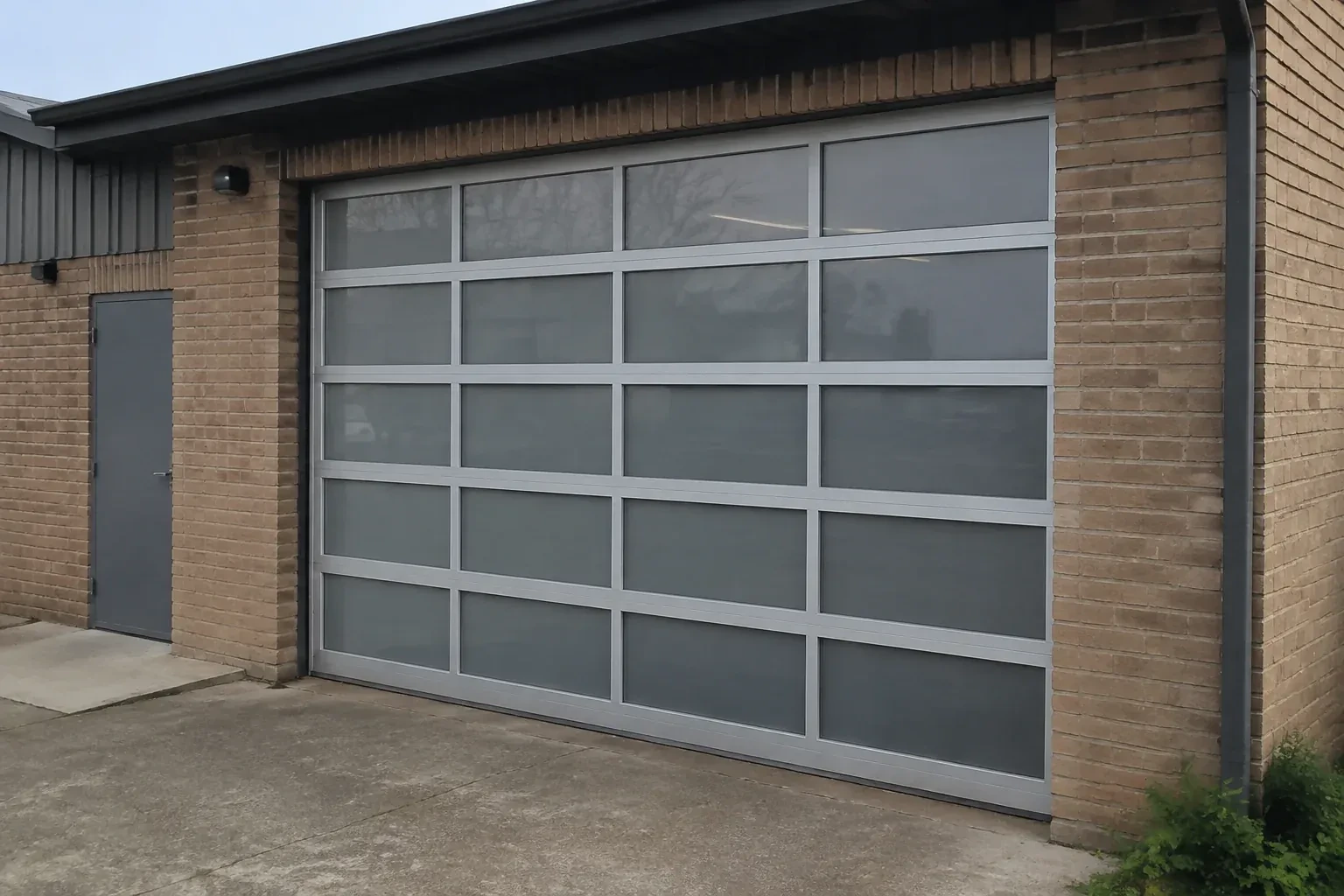
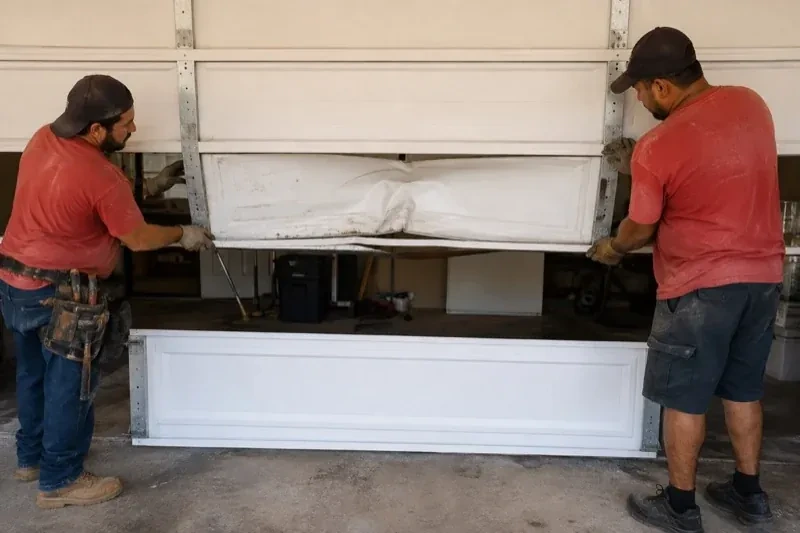
A damaged glazed door has mismatched sections and uneven movement. Instead of chasing separate pieces, you want a complete installation specified to the opening, door weight, tracks, springs and operator.
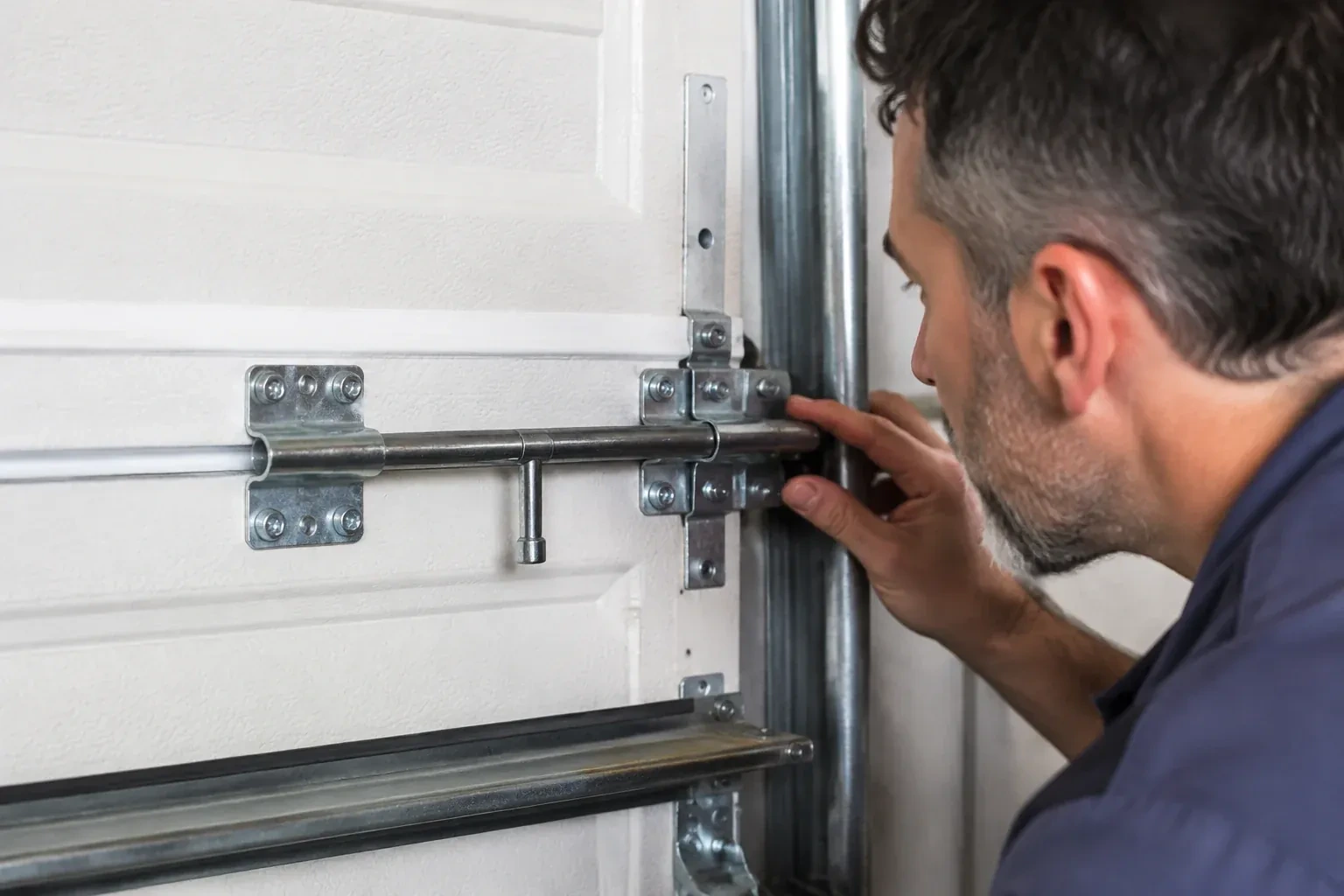
At closing time, the bottom bar reaches the floor on one end while daylight remains under the other. The slide bolts miss their keepers, leaving staff unable to secure the business opening in its usual way.
Once a year suits most households, and early spring, after the salt and freeze-thaw season, is a natural time. A door that opens many times a day, an older door, or one on a rental where nobody watches it closely does well with a look each season. Between visits, the monthly balance, reversal and photo-eye checks that industry guidance recommends catch most changes early.
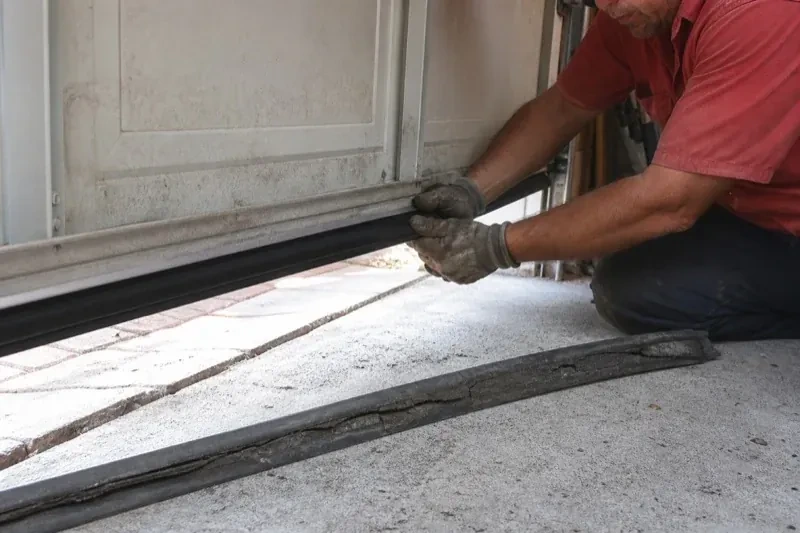
The seal looks fine, so why is there still daylight under the door?
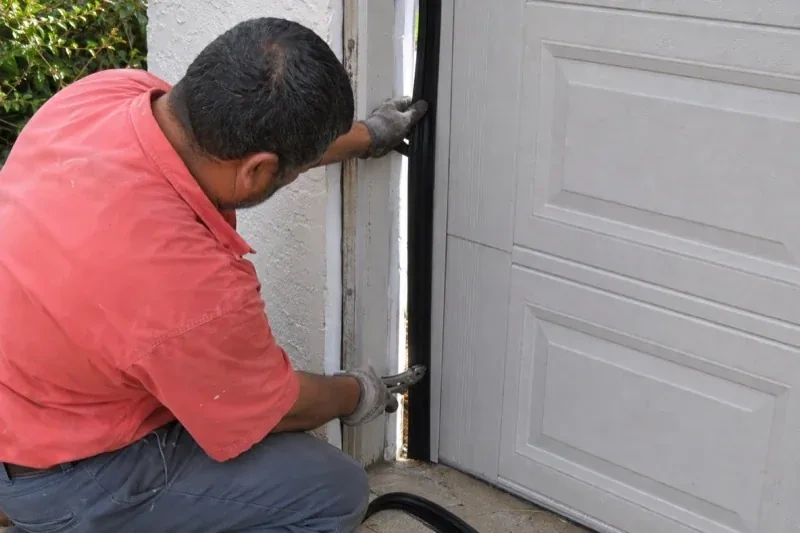
A seal can look intact and still have taken a permanent set, so the bulb no longer springs up to fill the gap. Otherwise the gap belongs to something else: a door hanging out of level, a bowed bottom section, a floor that has settled at one end, or an opener down limit set so the door stops short. The first look during the visit sorts these apart so the fix goes to the right place.
Why is the horizontal track sagging?
The horizontal run hangs from the ceiling on back hangs of perforated angle, and it sags when a hanger bends, its screws pull out of a joist, or it was only ever fixed into drywall. A sagging hanger droops that run out of level or its intended pitch. The fix is a straight or new hanger screwed into solid framing, with the run set to the manufacturer's specified pitch and matched to its partner; a door that drifts back toward the opening once raised is a separate, balance-related symptom.
What happens if the header wood or centre bracket is damaged?
The centre bracket anchors the spring's reaction force to the framing above the door, so it has to be solid. If the header has split or softened, or the lag bolts have pulled, the technician can refasten into sound wood, add a reinforcing plate or replace the bracket before the new spring is wound. Dealing with this first keeps the shaft level and the spring pulling straight, which protects the bearings and the door.
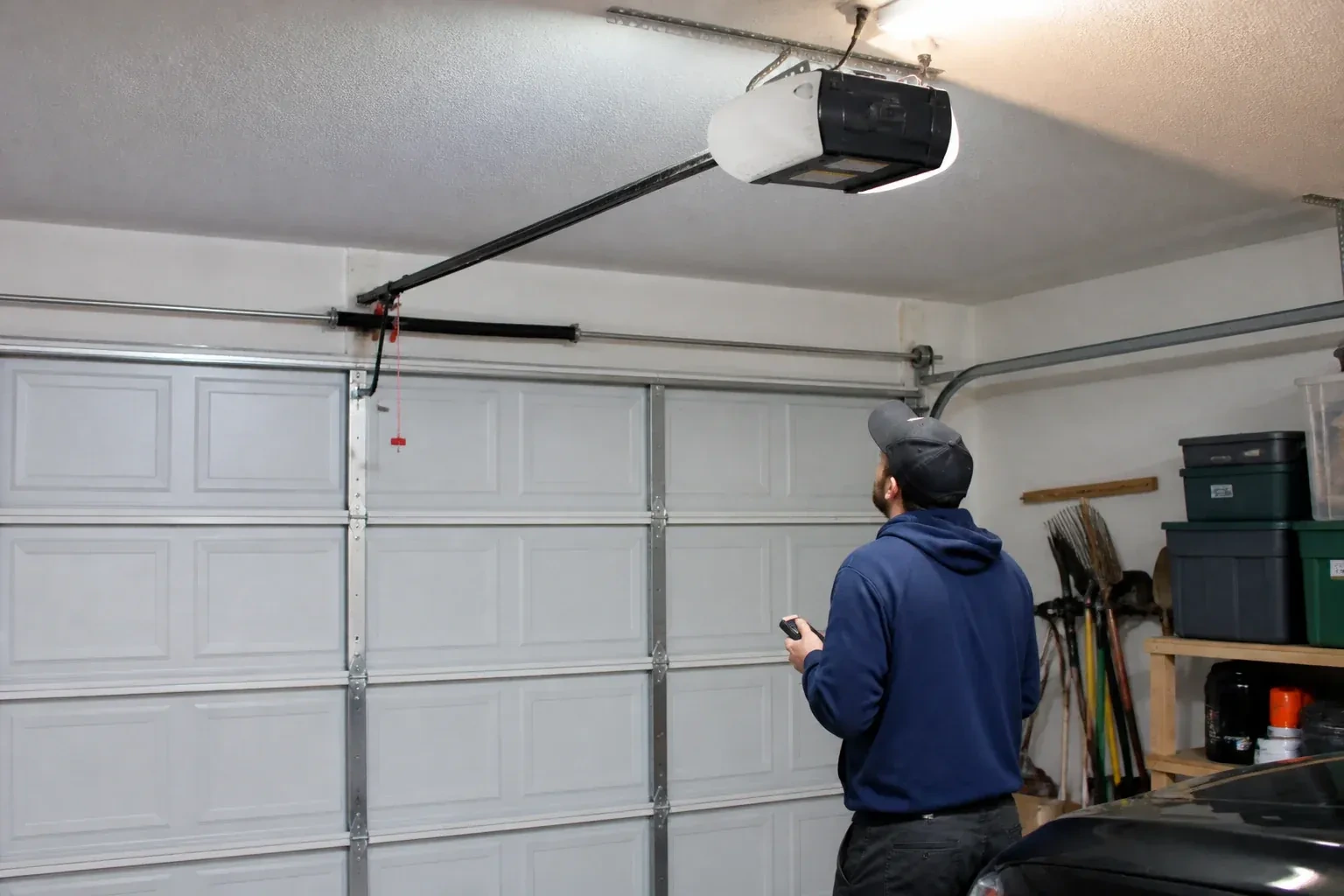
What is the red cord hanging from the opener for?
It is the manual release. Pulling it disconnects the door from the opener's trolley so the door can be moved by hand, which is how the balance test is done and how you get the car out during a power cut. The industry standard calls for it to be red and reachable, no more than about six feet above the floor. Reconnecting is usually as simple as running the opener once.
How do I test the safety reversal myself?
Two checks, once a month, each starting with the door fully open. For the first, set a scrap of 2x4 flat on the concrete where the door will land and press the close button; the moment it meets the wood it should climb back to the top. For the second, start the door closing and pass a broom or your arm across the low sensor beam; it should reverse just the same. Any hesitation means a small adjustment is due.
Can a keypad work with any opener?
A keypad, like a remote, must match the opener's radio generation. Makers publish which keypads suit which openers, and universal keypads cover most units made since the mid-1990s. Very old fixed-code openers need an add-on receiver first, and then a keypad pairs with that receiver. The technician checks the match before the keypad's packaging is opened, so you do not end up with a device that lights up but cannot be heard.
Can one controller handle two garage doors?
Many hubs support two doors from one unit, each with its own door sensor, and each door appears separately in the app with its own name, status and history. Openers with built-in radios register individually, so a two-door garage with two connected openers simply shows two doors under one account. The technician confirms which arrangement your hardware supports before the visit.
Is the glazing always made from glass?
No. Depending on the selected door system, infill choices may include tempered or laminated glass, acrylic, polycarbonate and solid aluminium panels. Each has its own weight, appearance, privacy, impact and cleaning characteristics. Availability also changes with door size, insulation and frame construction, so the material is confirmed as part of the complete ordered configuration.
How are salt and winter moisture handled?
The lower guides, sill, fasteners, bottom seal and sensor faces are checked for ice, grit and corrosion. Buildup is cleared with methods suited to the material, drainage issues are noted and damaged sealing parts can be renewed within scope. The door is tested after cleaning because cold-weather resistance can exist alongside an alignment or balance problem.
Request a visit
We keep things plain for people in Cainsville. No jargon in the explanation, no surprises on the invoice, no work started before you have agreed to it. The technician shows you the problem, prices the options on the spot, and gets on with the repair once you say yes.