Springs · Brant
Torsion Spring Replacement
You heard a sharp bang from the garage, and now the opener hums for a second and gives up.
In plain words
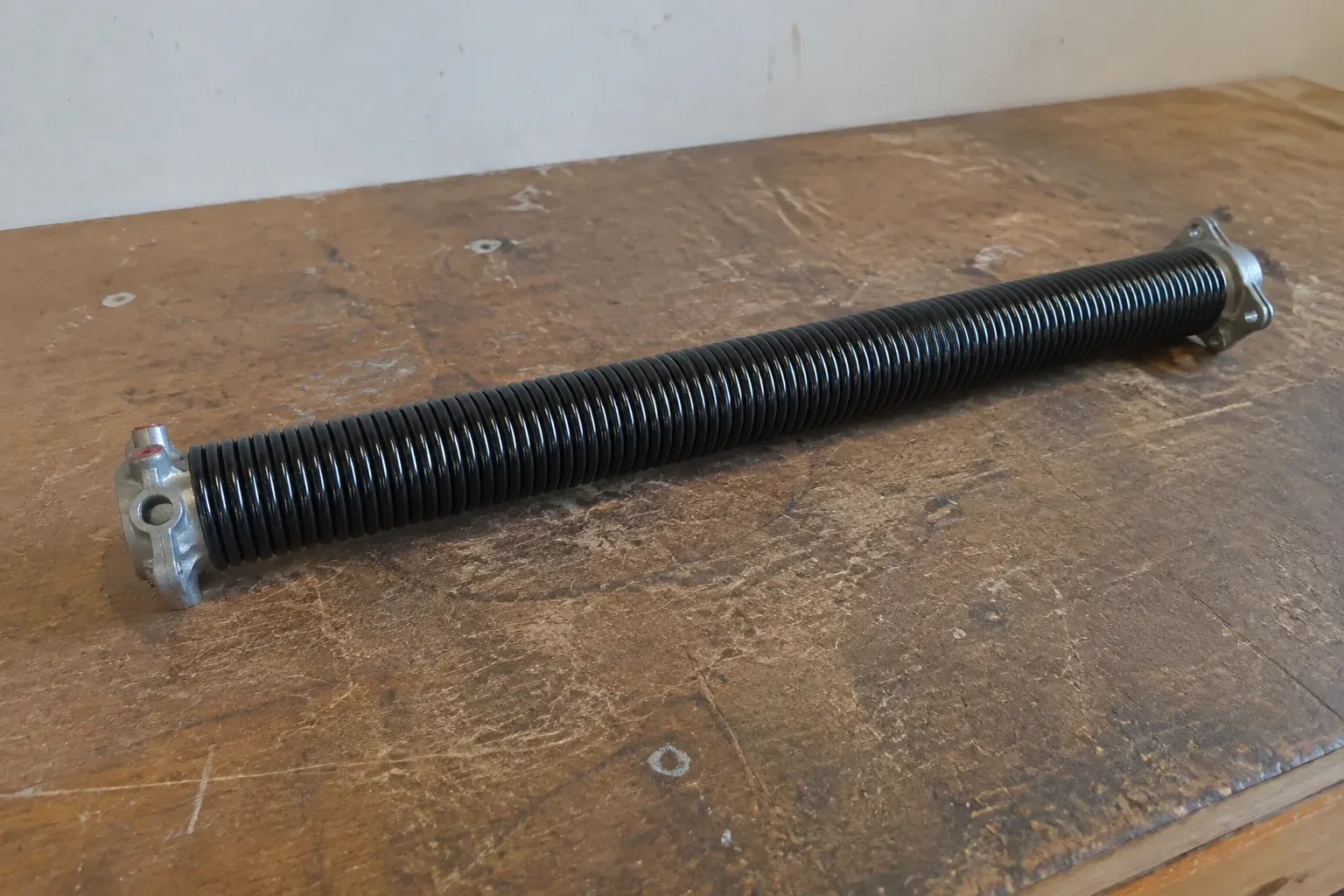
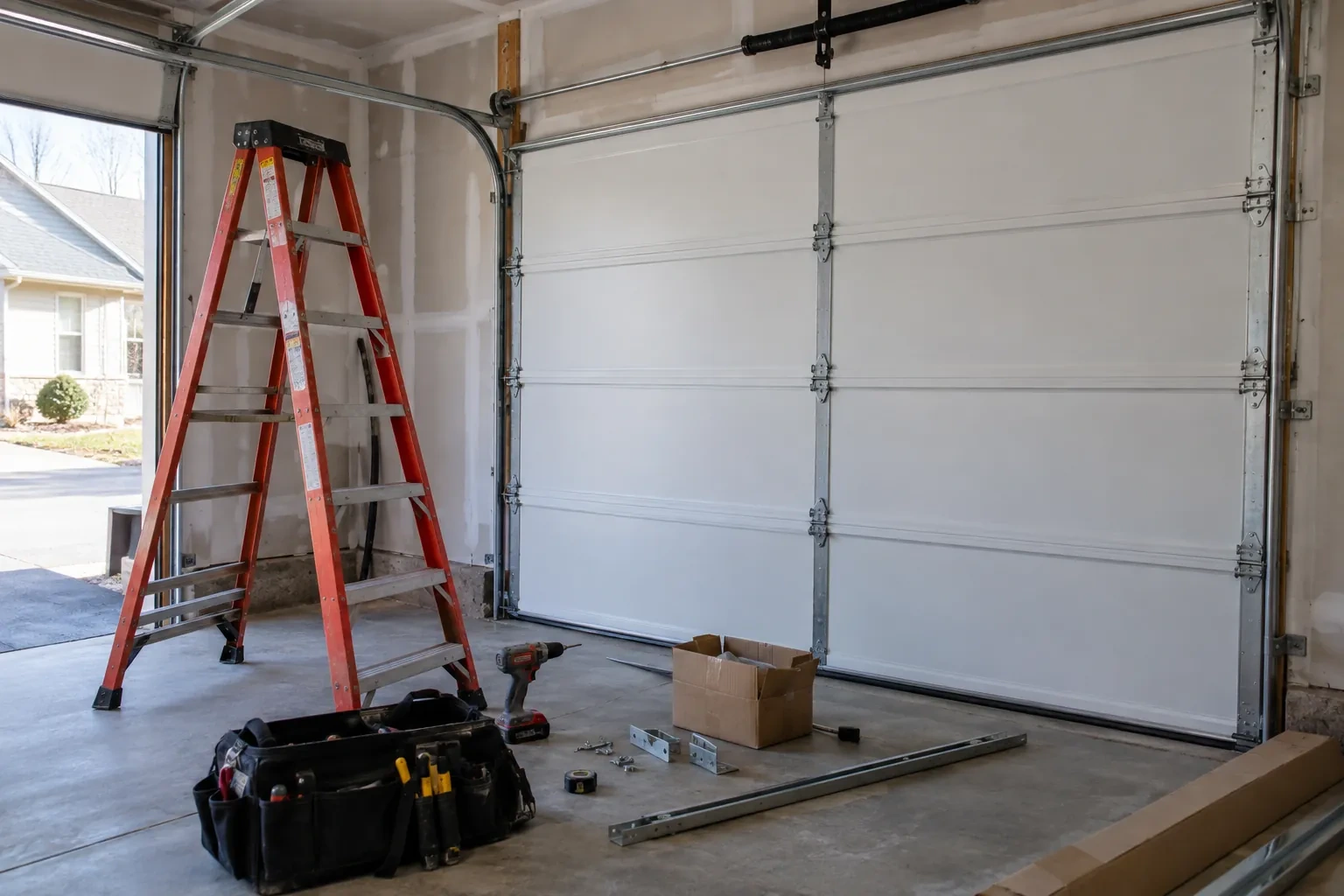
A spring that breaks with the car inside puts the whole morning on hold, and this service is designed to get that door working again in a single visit. The technician arrives with a range of spring sizes, secures the door so it cannot move, identifies exactly which spring the door needs, and installs and winds the replacement. Once the door balances by hand, the opener is reconnected and tested. Until then the safe approach is simple: leave the door where it is, keep clear of it, and share a photo of the spring area so the right parts arrive on the truck.
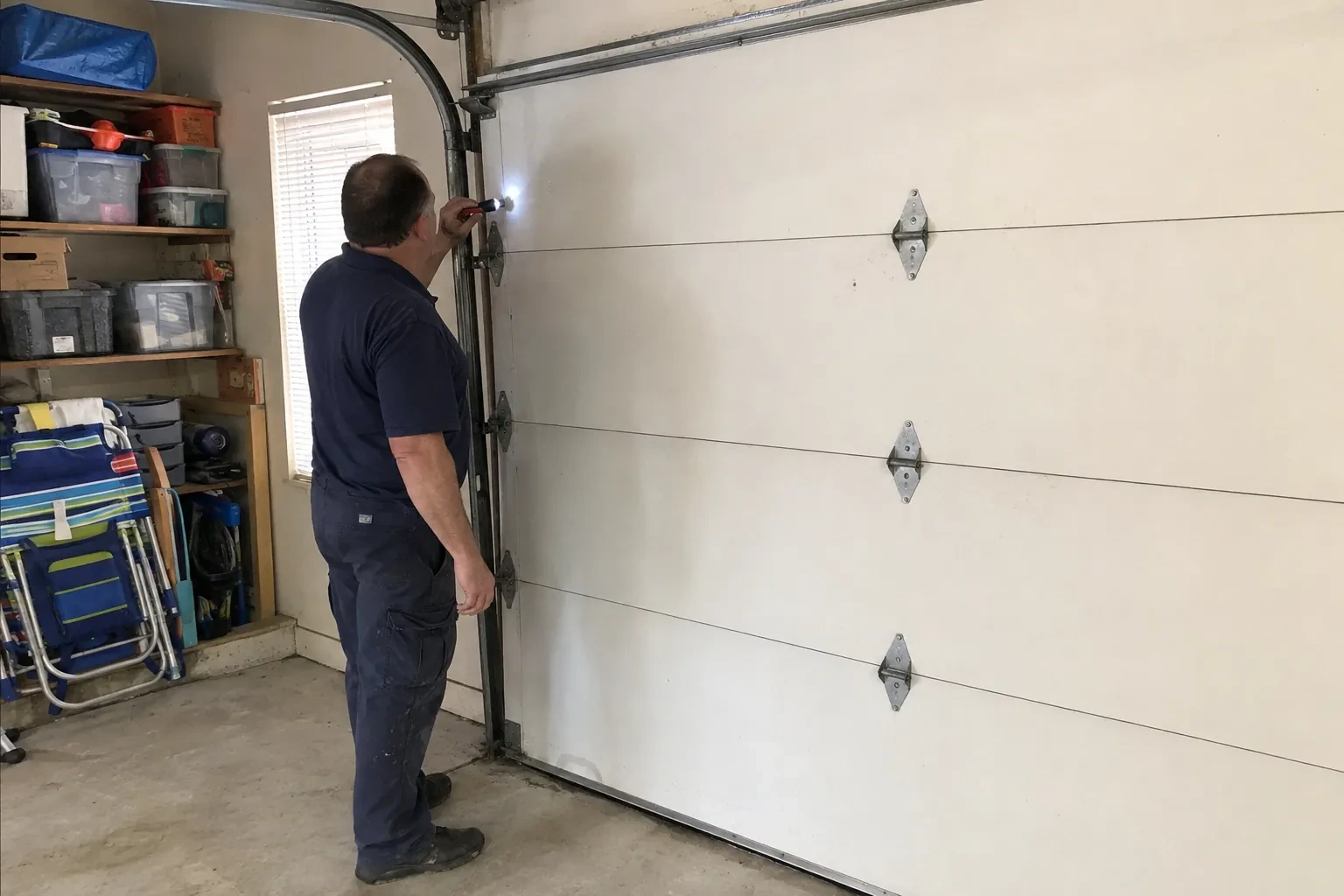
How the visit goesAfter pulling the red release cord, you tried lifting the door yourself and it would barely leave the floor. A door that used to glide up with one hand now takes real effort, which points to the counterbalance rather than the opener.
Torsion Spring Replacement
How the visit goes
Understanding how the door is used
How the household uses the door shapes the spring that suits it. The technician asks how many times a day it typically opens, whether it is the main entrance to the home, and when springs were last replaced, if ever. A door cycled eight times a day accumulates use far sooner than a weekend garage. Age of the door and any previous partial repairs are also relevant, especially a single spring changed on a paired system. This conversation lets the customer choose between a standard-cycle spring and a higher-cycle option with a clear picture of what each means for them.
Setting the cables and drums
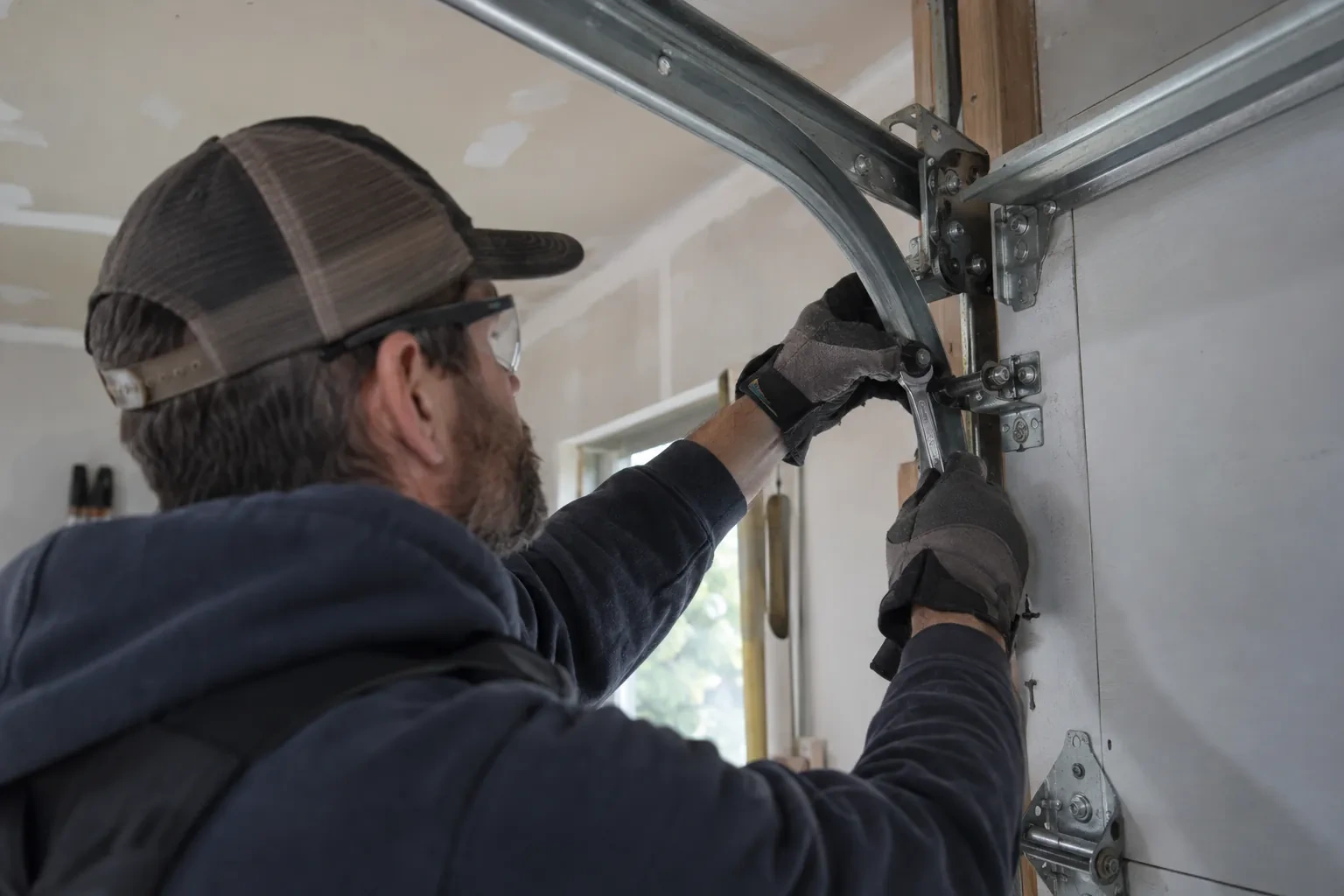
A balanced door depends on both cables pulling equally, so drum work gets careful attention. Each lift cable is wound into the grooves of its drum with the loop secured on the drum pin, and the drums are slid firmly against the end bearing plates. The technician rotates the shaft to take up slack, then sets tension so both cables are equally taut with the door fully closed; a level across the shaft confirms it is sitting true. Drum set screws are tightened to the shaft in this position. Even cable tension keeps the door square in its tracks through every part of its travel.
What cycle life means for you
The spring you chose is rated for a number of full open-close cycles, and that number translates into years according to your routine. A standard-cycle spring on a door used four times a day works out to several years of service; a household with teenagers and a home workshop will use cycles sooner, while a high-cycle spring stretches the same routine considerably further. Knowing your rating and your habits gives you a rough sense of when the next replacement falls due, so spring service becomes a planned item like furnace maintenance rather than a surprise on a cold morning.
Torsion Spring Replacement
In the van
Torsion springs, oil-tempered or galvanized
End bearing plates
Stationary cone bolts and nuts
Locking pliers for the track
Centre bearing bracket and bearing
Torsion Spring Replacement
What affects the quote
Condition of the lift cables
Cables that show fraying, rust or a kink at the bottom brackets are replaced so the new spring pulls on sound steel. Two good cables mean this item stays off the list.
Centre and end bearings
With the shaft out, bearings that grind, wobble or have seized are renewed. Smooth bearings reduce the load on the spring and opener, and their condition is confirmed by hand during the check.
Converting from extension springs
Moving a door from extension springs to a torsion system adds a shaft, bearings, drums and brackets, and removes the old pulleys, which is a broader job than replacing an existing torsion spring.
What to have ready
- Are the cables on either side still tight, or hanging loose?
- Is a vehicle parked inside the garage right now?
- Did you hear a loud bang before the door stopped working?
Torsion Spring Replacement: questions
QuestionsWhat is the difference between torsion and extension springs?
Torsion springs mount on a shaft above the door and twist to store energy, lifting the door through cables and drums. Extension springs run alongside the horizontal tracks and stretch as the door closes, pulling it up through pulleys. Torsion systems tend to lift more evenly, take up less space beside the tracks and are the standard on most modern doors. Both are professional service items because of the energy they hold.
What happens if the header wood or centre bracket is damaged?
The centre bracket anchors the spring's reaction force to the framing above the door, so it has to be solid. If the header has split or softened, or the lag bolts have pulled, the technician can refasten into sound wood, add a reinforcing plate or replace the bracket before the new spring is wound. Dealing with this first keeps the shaft level and the spring pulling straight, which protects the bearings and the door.
Will the new spring look the same as the old one?
Not necessarily, and that is fine. The paint colour on the winding cone or coil is a code that identifies wire size and wind direction, and different suppliers use their own schemes, so a matched replacement can carry a different colour than the spring it replaces. What matters is that the wire size, diameter, length and wind direction suit the door's weight and height, which is confirmed by the balance test.
Related services
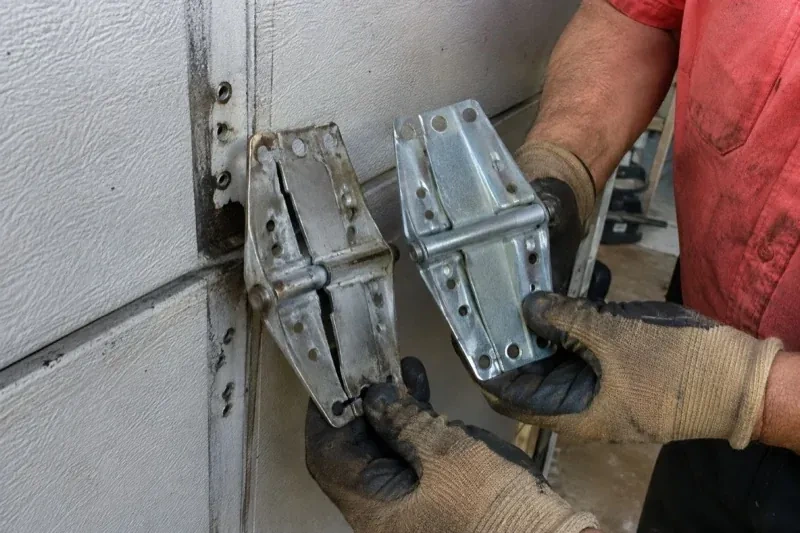
- Garage Door Hinge ReplacementPressing a hand against one of the middle hinges makes it rock on the panel.
- Garage Door Track Repair or ReplacementThe garage floor has settled at one corner, and the door now scrapes the concrete on that side while daylight shows at the other.
- Garage Door Cable ReplacementThe cable has wrapped itself around the shaft above the door instead of sitting on its drum.