Openers · Mount Vernon
Emergency Release Repair in Mount Vernon
Your garage is detached and has no side door.
In plain words
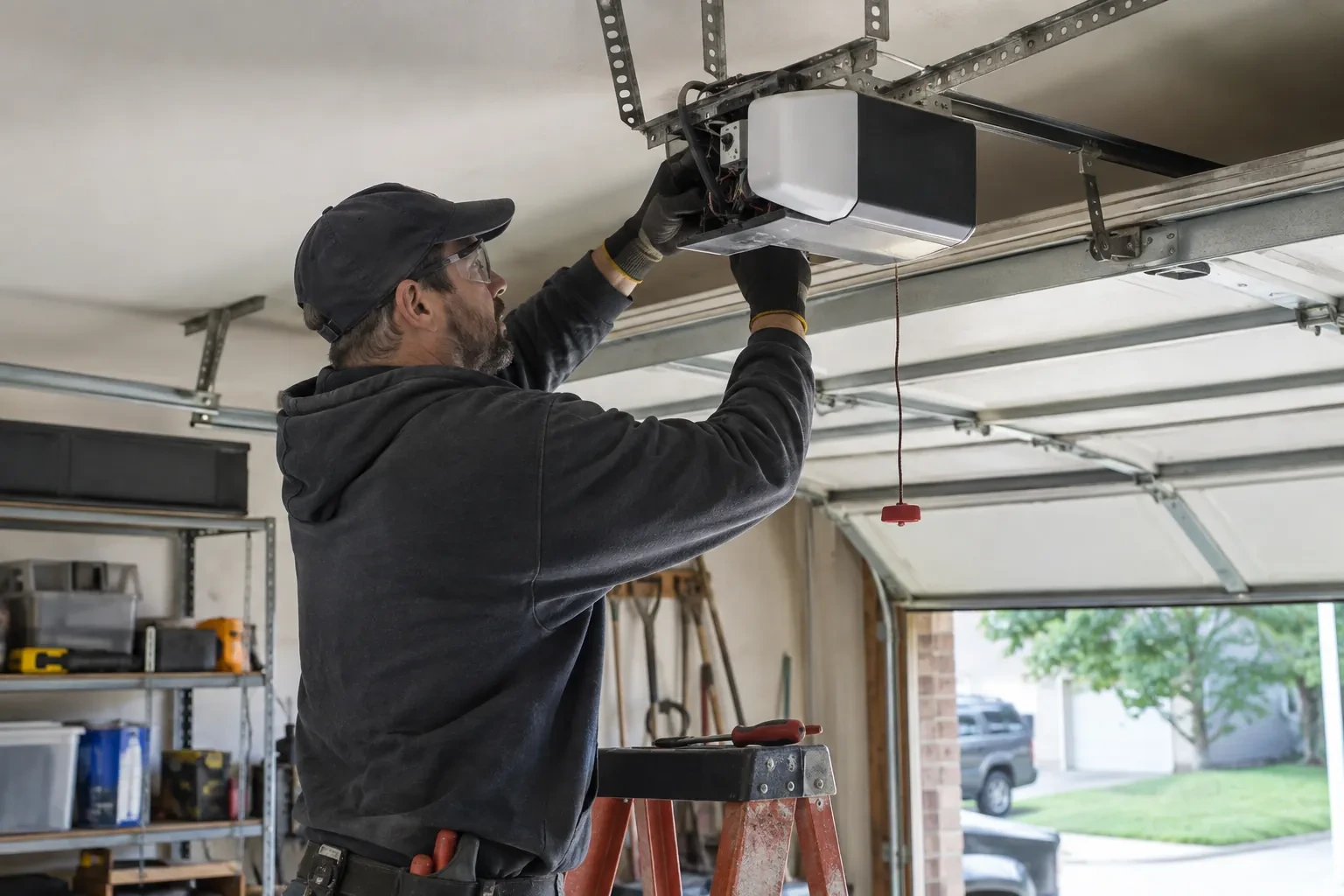
Emergency release repair puts the manual disconnect on an opener into working order. That disconnect is the red handle on a cord below the rail, the spring-loaded lever it pulls, and the trolley that lets go of the door when the lever is thrown and grips it again when the two are brought back together. When any of those parts is missing, bent, worn or set at the wrong height, moving the door by hand in an outage becomes a struggle and reconnecting it afterwards a puzzle. The technician fits parts made for that opener, sets the handle where it belongs, and proves the sequence from disconnect to reconnect.
How the visit goesIt is the coldest morning of the year. A week of slush and road salt has crusted over the outside release lock, the key will not seat, and the opener inside is silent after the overnight outage. The car sits behind a door that will not move.
Emergency Release Repair
How the visit goes
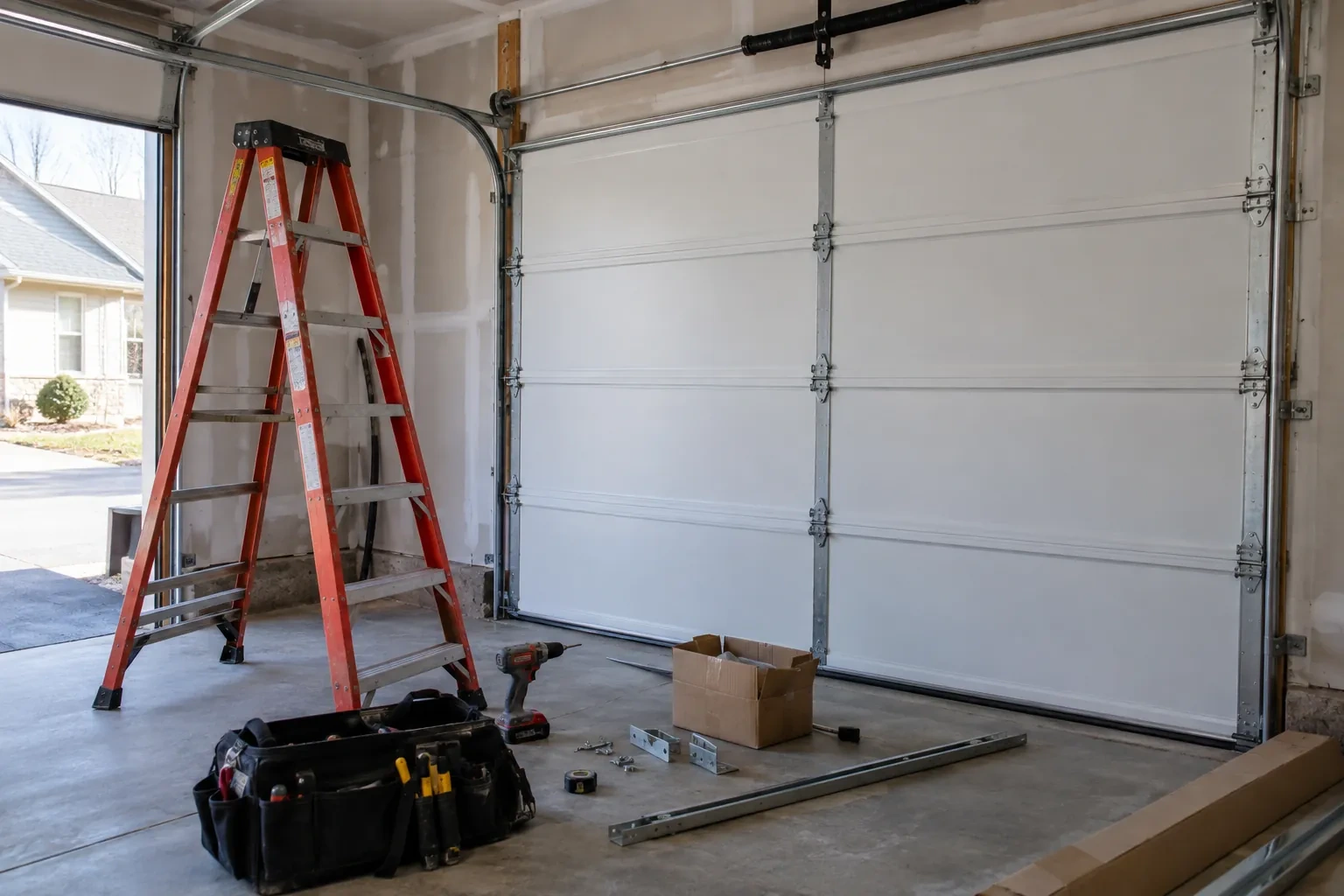
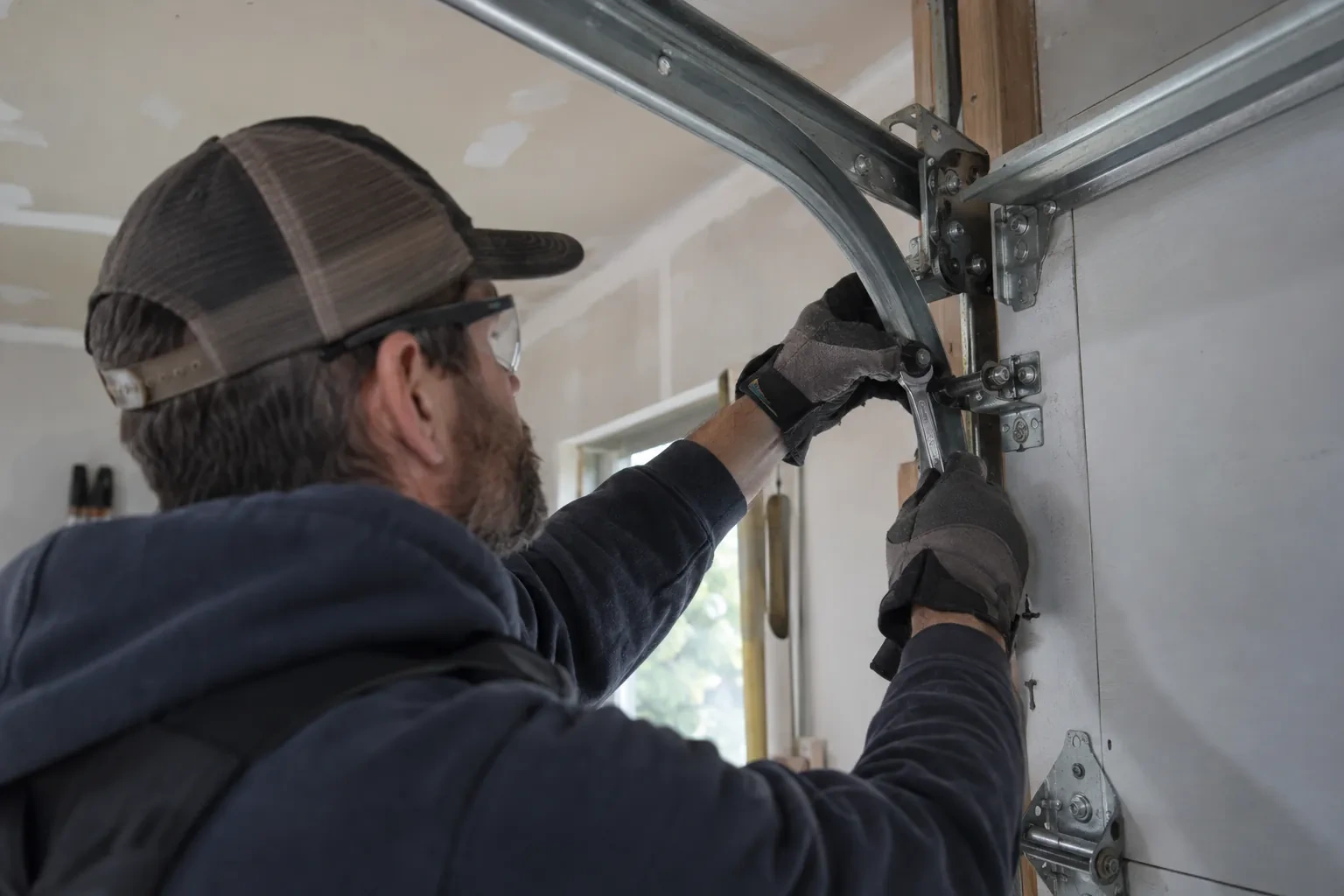
Door closed before anything is touched
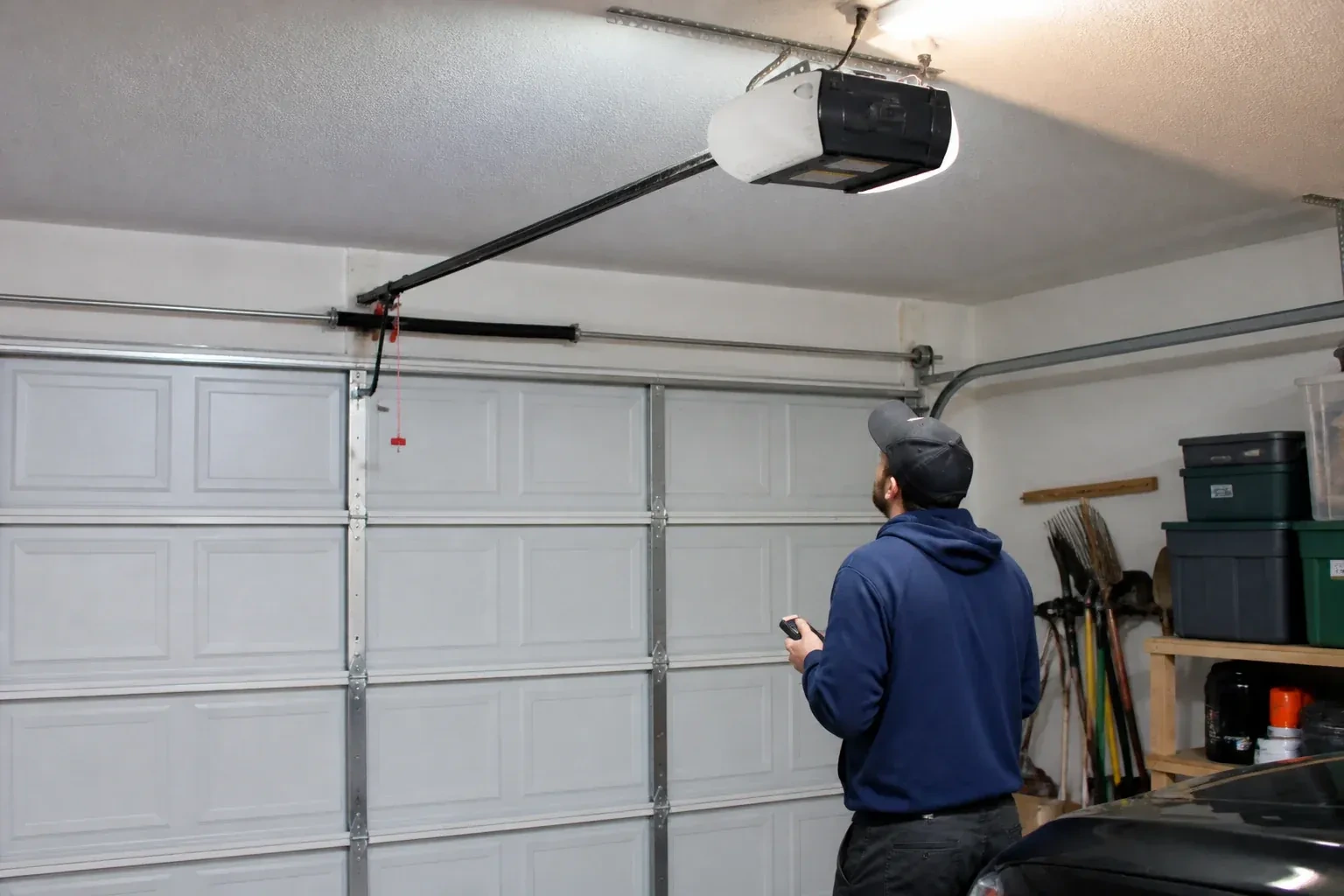
The first thing the technician does is get the door into a safe state. If it is closed, it stays closed while the release is examined. If it is stranded open or part-way, the door is supported and clamped, with the opener unplugged, before anyone reaches for the lever, because a door that is free of its opener is held only by its springs and an unbalanced one can move on its own. This is the same rule the industry checklist gives homeowners: disconnect with the door closed and keep the opening clear, since even a closed door can shift once free of the opener. Starting here keeps the risk low until someone decides to move the door.
Replacing the trolley or carriage
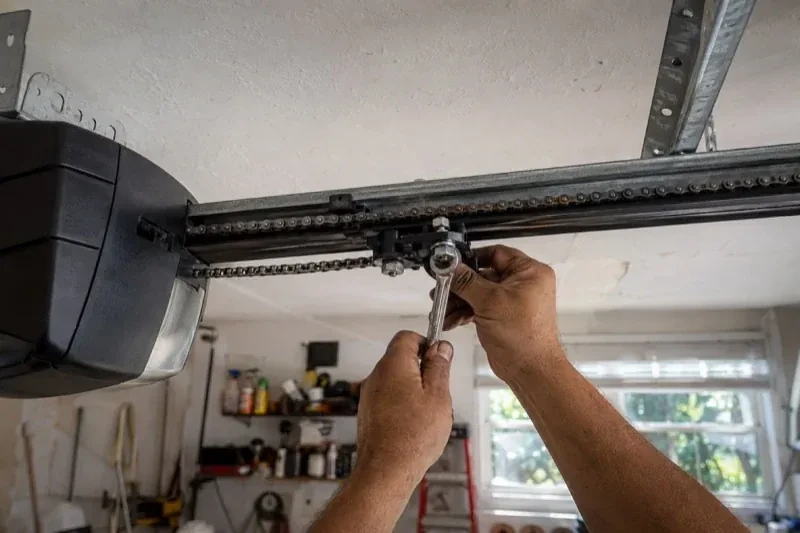
Latch teeth that have worn round, a cracked trolley body or a carriage bent when a door dropped onto it call for a new assembly. The technician slackens the drive, disconnects the arm from the door, slides the old trolley off the rail and fits the replacement that matches the opener's model and rail type, then reattaches the arm with new clevis pins and clips. The chain or belt is set to the correct tension, the trolley is run to the door and latched, and the opener is cycled until the technician is satisfied the connection is solid at both ends of travel. Old parts are shown to you before they leave.
Keys for the outside release
Where an outside key release was fitted or repaired, you leave with two keys and the cylinder proven from the driveway. One key belongs on your ring; the other belongs somewhere outside the garage, with a neighbour or in a lockbox, since a spare inside the garage is behind the very door it opens. In winter, keep the cylinder face clear of slush and give it a puff of dry lock lubricant before the cold sets in. The release only disconnects the door; lifting still happens by hand, using the door's handle, so the balance check the technician did today is what makes that lift easy.
Emergency Release Repair
In the van
2x4 offcut for the reversal test
Hole saw for the top section
Trolley and carriage assembly
Chain or belt tension hardware
Door arm, clevis pins and clips
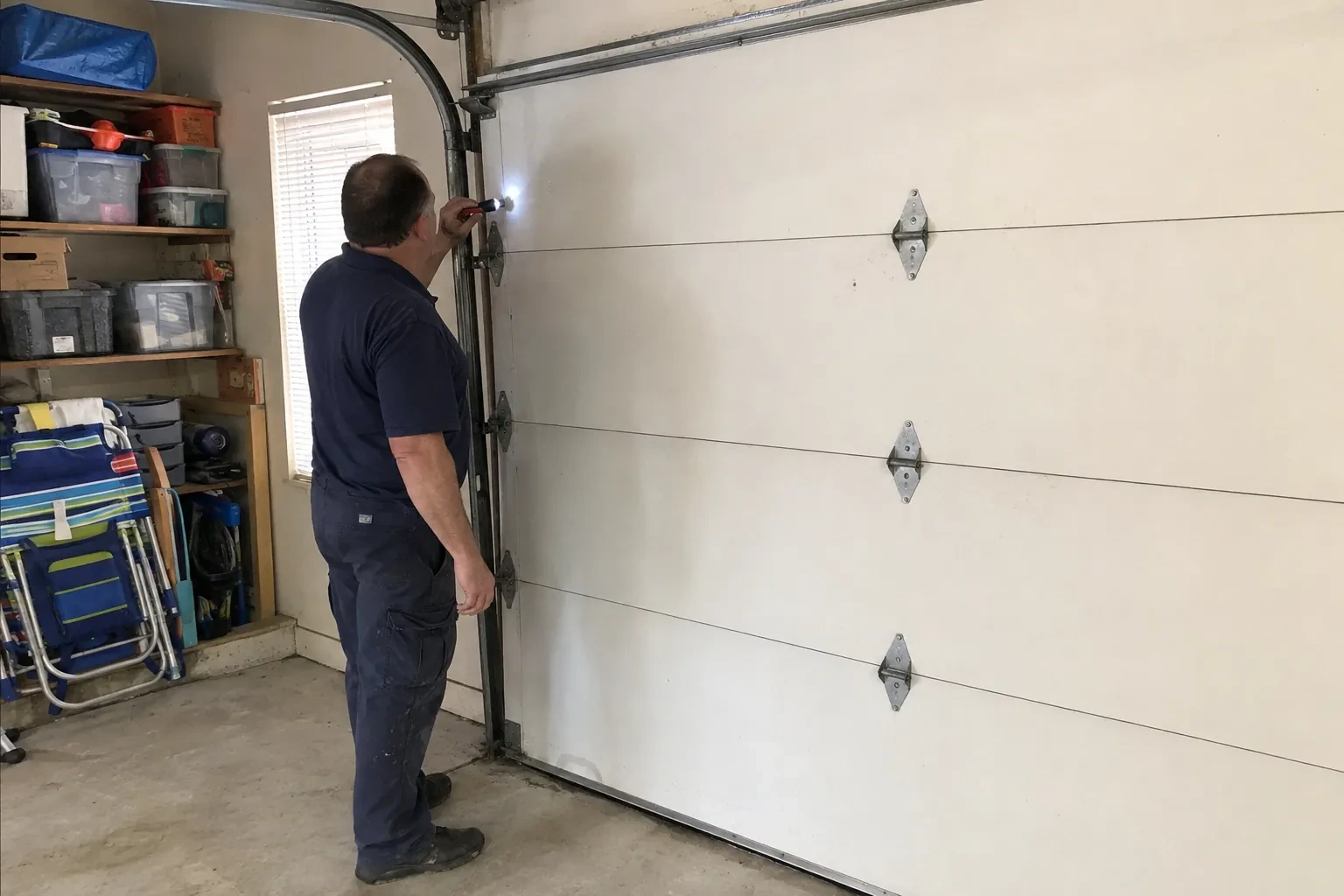
Emergency Release Repair
What affects the quote
Battery backup as an option
If outages are the reason you called, a battery backup pack for a compatible opener may be offered alongside the release repair. It is optional and appears as its own item.
Door material for the outside release
Cutting a cylinder hole through a thin steel section is routine; an insulated door, a wood door or a glass-panel top section takes more care and sometimes a reinforcing plate.
Extra keys and a lockbox
Two keys come with an outside release. Additional keys cut for family members, or a small lockbox for the spare, are small add-ons listed as separate lines.
What to have ready
- Does the opener run along the rail on its own without moving the door?
- Is there a small keyed lock near the top of the door outside, and do you have its key?
- Has the door or the opener been replaced since the release was last used?
Emergency Release Repair: questions
QuestionsWould battery backup mean I never need the release?
It covers most outages: the battery opens and closes the door on stored power, so the release stays on its hook. It is a wearing part that needs replacing every few years, and a status light or beep tells you when. The release is still the fallback for a flat battery or an opener that has itself failed, which is why the two are checked together. Many households on outage-prone streets keep both in working order.
Why should the door be closed before I pull the handle?
Because once the trolley lets go, the door is held only by its springs. A well-balanced door will stay put wherever it is, but a door whose springs are tired can drop, and one that is over-tensioned can rise on its own. Even with the door already on the floor it can still move unexpectedly, so keep the opening clear whenever the release is pulled. The industry checklist and opener makers give the same instruction: disconnect with the door fully closed.
The outside release lock froze. How do I stop that happening again?
Salt spray and meltwater get into the keyway during a thaw and freeze overnight, the same way they do in a house lock. Keep the cylinder face clear of slush, give it a puff of dry lock lubricant before the cold sets in, and carry a small de-icer through the winter. A weather cap over the cylinder helps on a door that faces the road. The technician cleans and treats the cylinder as part of any outside release repair.