Garage Doors in Glen Morris, OntarioOriginal door.Still worth keeping.
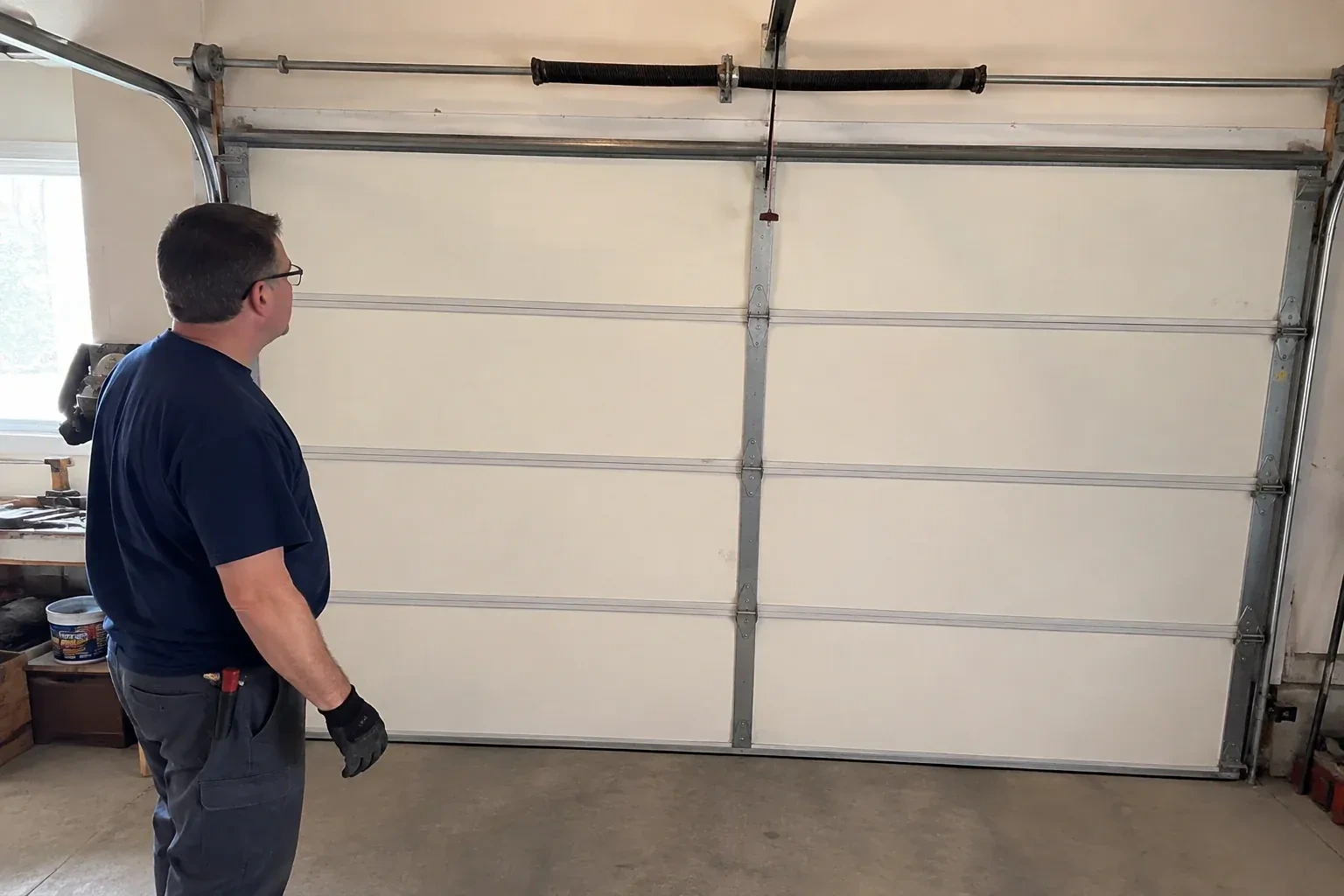
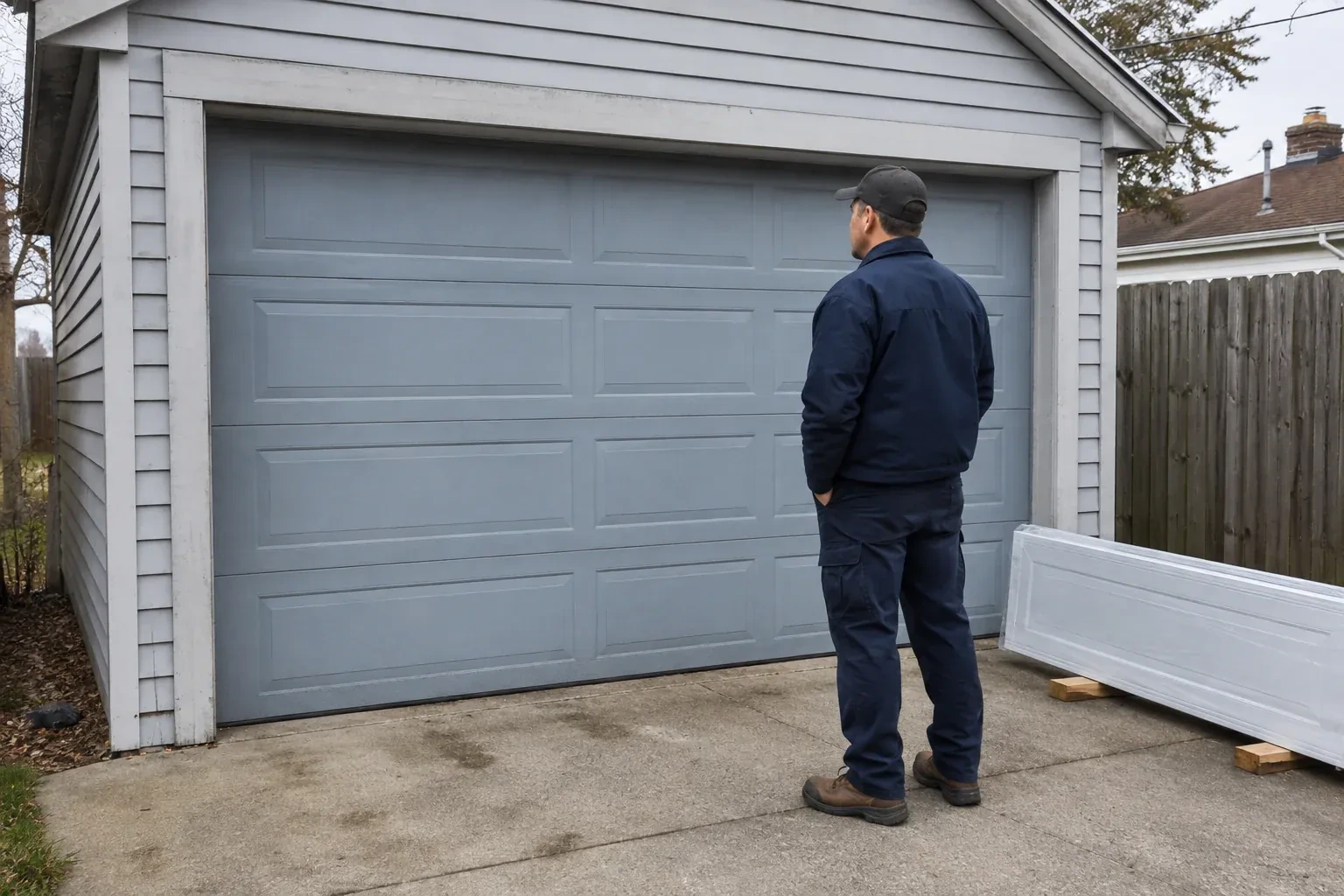
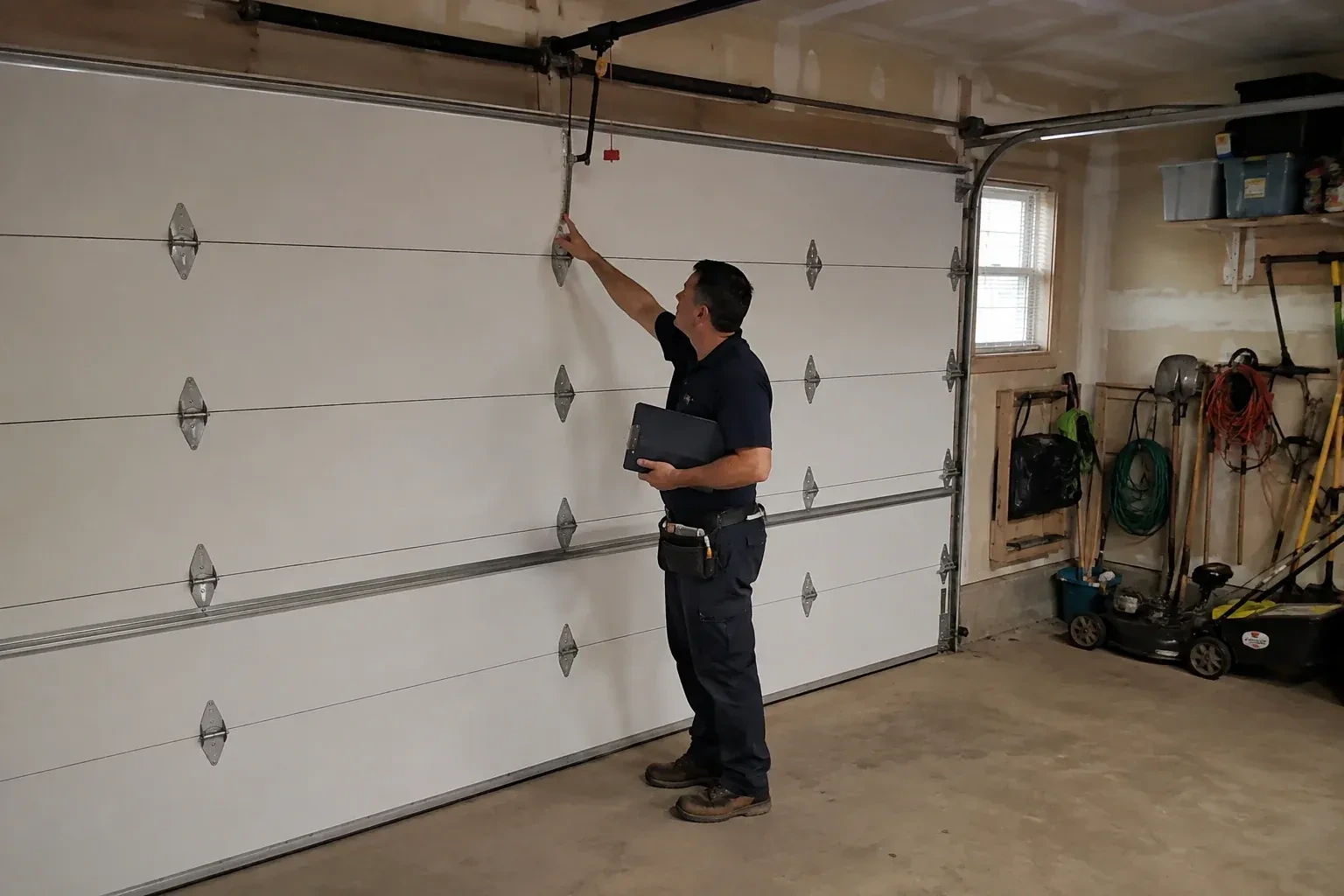
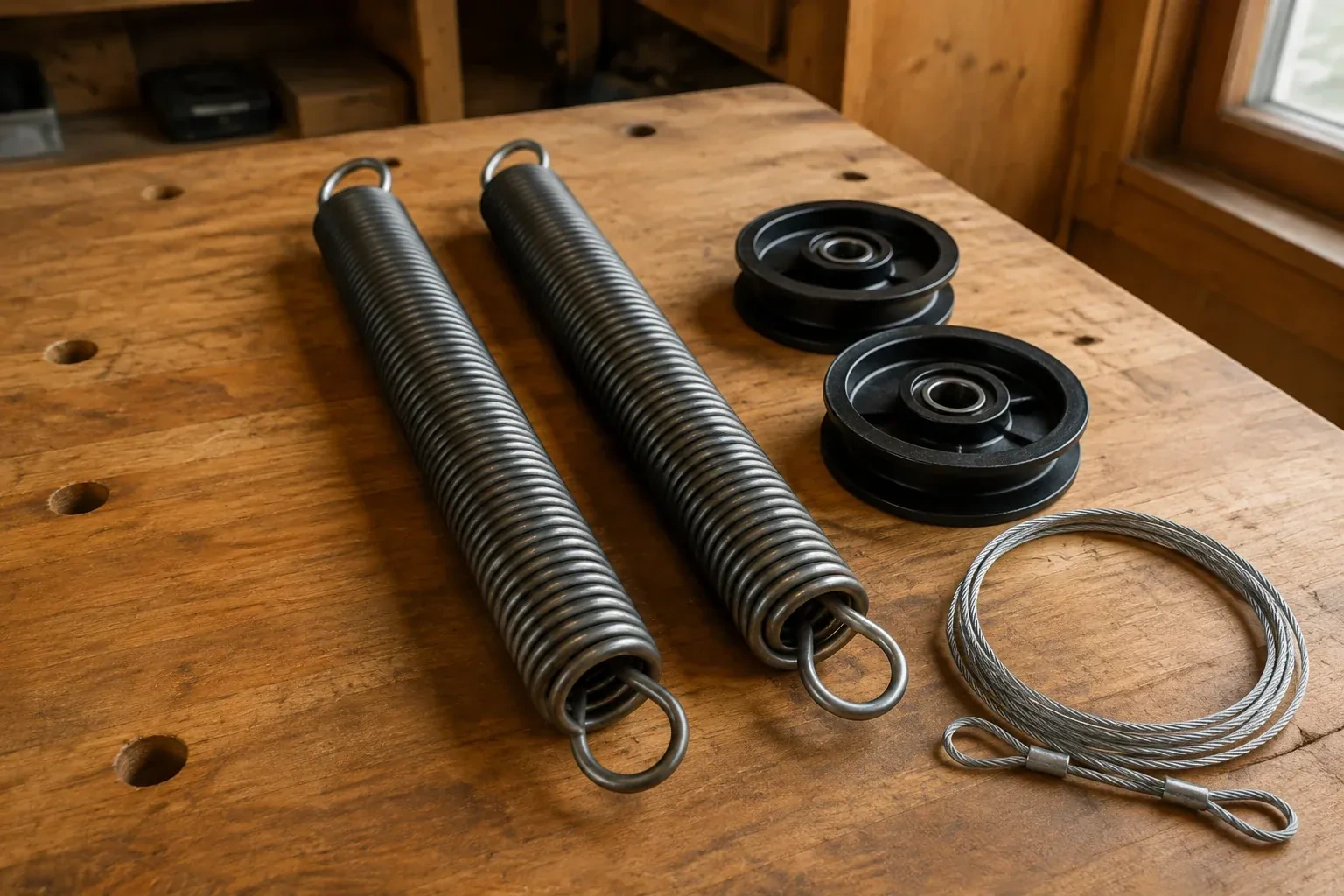
Plenty of houses in Glen Morris still open the wood or early steel door they were built with, often on extension springs. Those doors deserve a technician who knows them: how to true a sagging section, add safety cables, replace worn pulleys, and bring the hardware up to date without losing the look of the house. This page also covers Pinehurst Park and Richwood.
Plenty of houses in Glen Morris still open the wood or early steel door they were built with, often on extension springs. Those doors deserve a technician who knows them: how to true a sagging section, add safety cables, replace worn pulleys, and bring the hardware up to date without losing the look of the house. This page also covers Pinehurst Park and Richwood.
The garage door people.
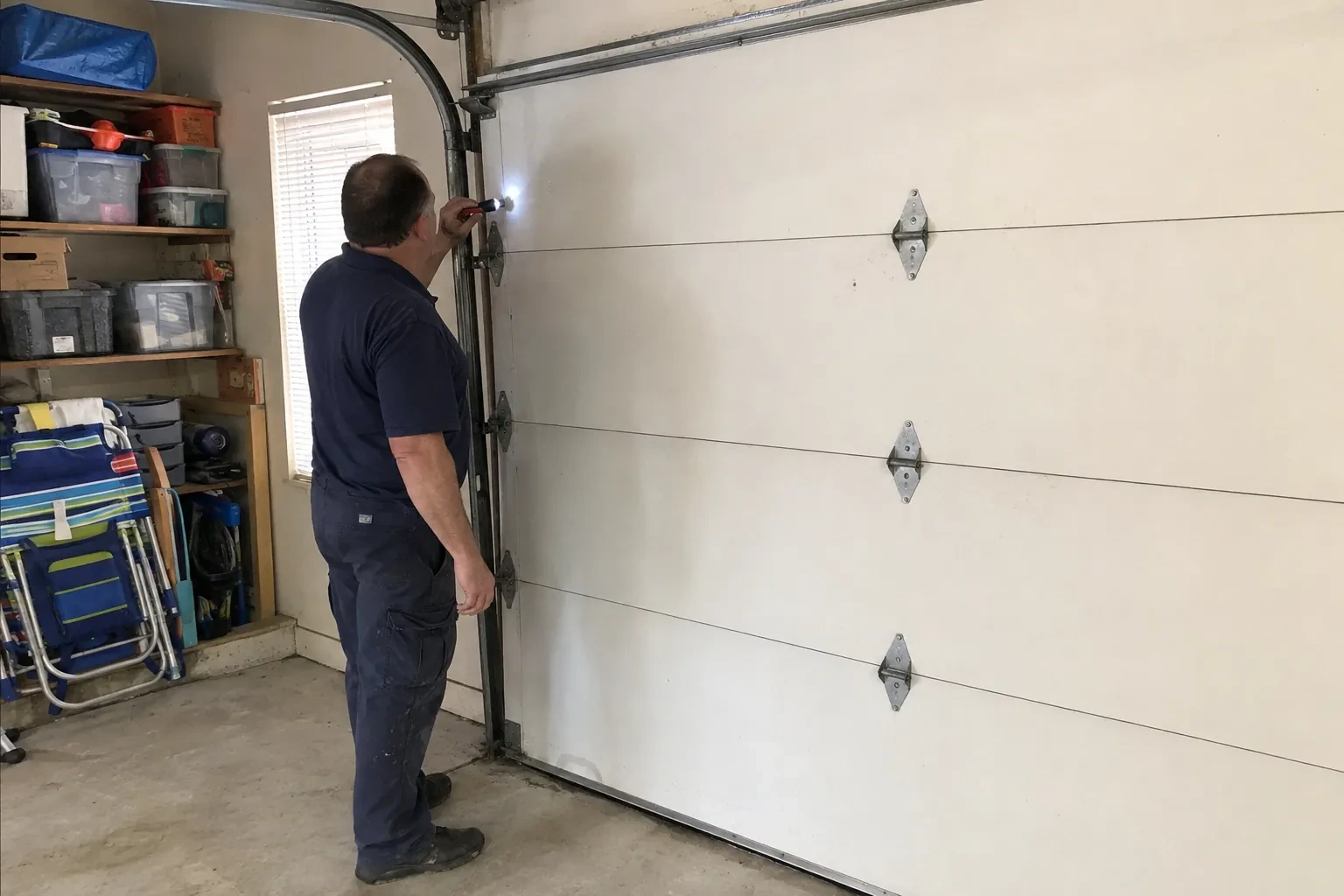
Our way of working in Glen Morris is simple. Listen to what you noticed, inspect the door from the bottom seal to the header, explain the cause in ordinary words, and offer the sensible options with their prices, on site, before the work begins. Parts that still have life in them are left alone.
Our technicians know Glen Morris well, from the older streets with their original wooden doors to the newer subdivisions with insulated steel sectionals. That range keeps us ready for whatever the day brings. We handle spring and cable replacement, opener repair and installation, panel and track work, weather sealing and complete new doors, and we explain the options before the work starts.
15years in business
24/7open every day
Told before touched. Nothing is adjusted or replaced until you have heard what we found and agreed with the plan for it.
Neat work, neat exit. New parts fitted cleanly, old ones removed, the floor and door wiped down. The garage is yours again the moment we leave.
Room to choose. We give you the practical picture and step back. Repair now, plan a replacement, or wait and watch: your call.
Everything we do for garage doors in Glen Morris starts with a proper look at the whole door. From there the service might be a small adjustment, a set of new rollers, a spring replacement, an opener repair or a new door. The pages here explain each option so you can follow the reasoning.
About 50% of homes in Brant were built in 1980 or earlier, according to the 2021 Census.
Older homes
Where houses are older, the garage often sits beside the house rather than beneath a bedroom, so noise is a smaller concern and durability a larger one. Heavy-duty rollers, a properly sized torsion spring and cold-rated lubricant make an old door dependable for years.
Single-detached houses make up about 81% of homes in Brant (2021 Census).
Mostly houses
Where most homes are single-detached, nearly every property has its own garage door and its own opener, and the homeowner makes every decision about it. That makes for straightforward visits: one door, one owner, and a repair or replacement chosen at the house without anyone else to consult.
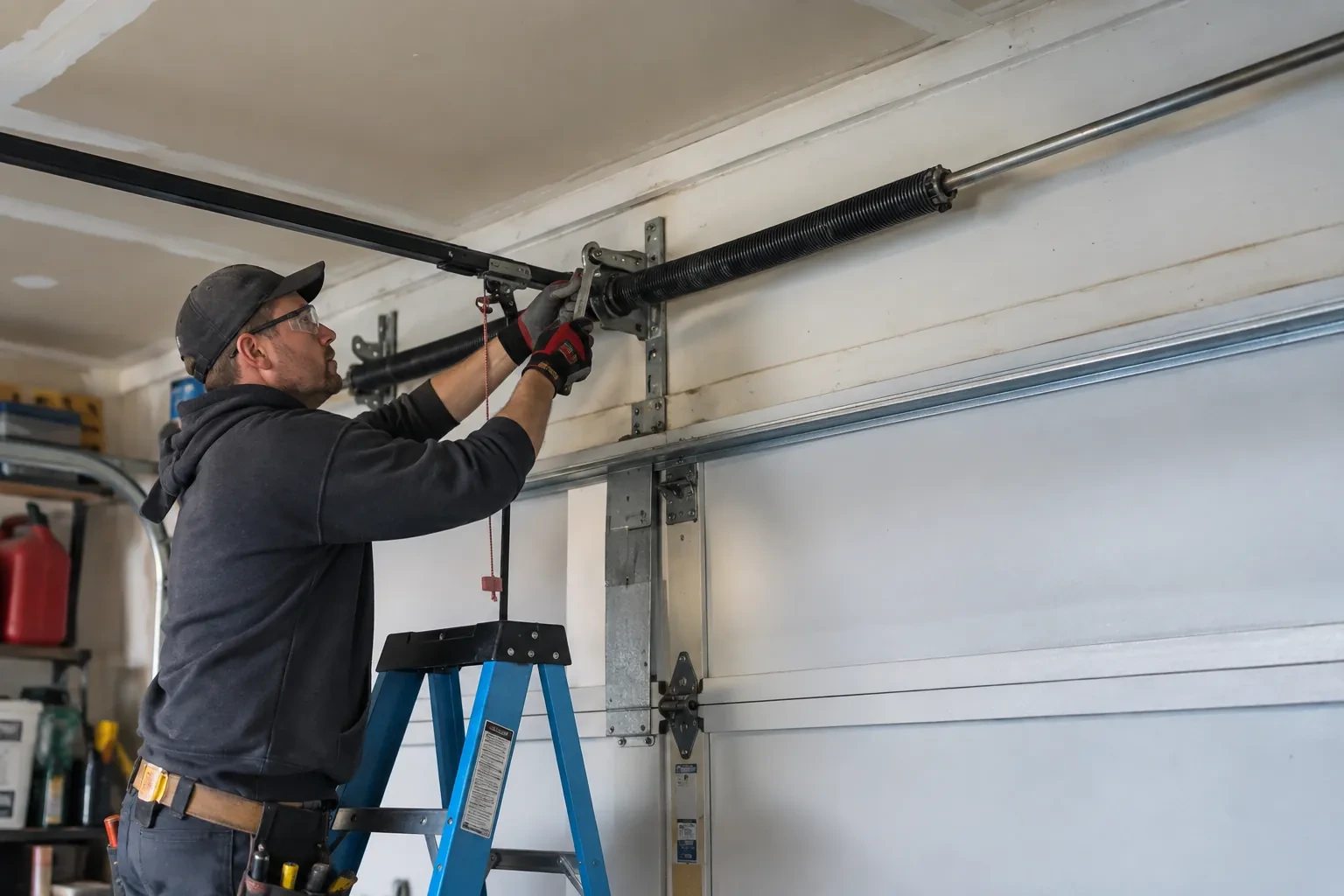
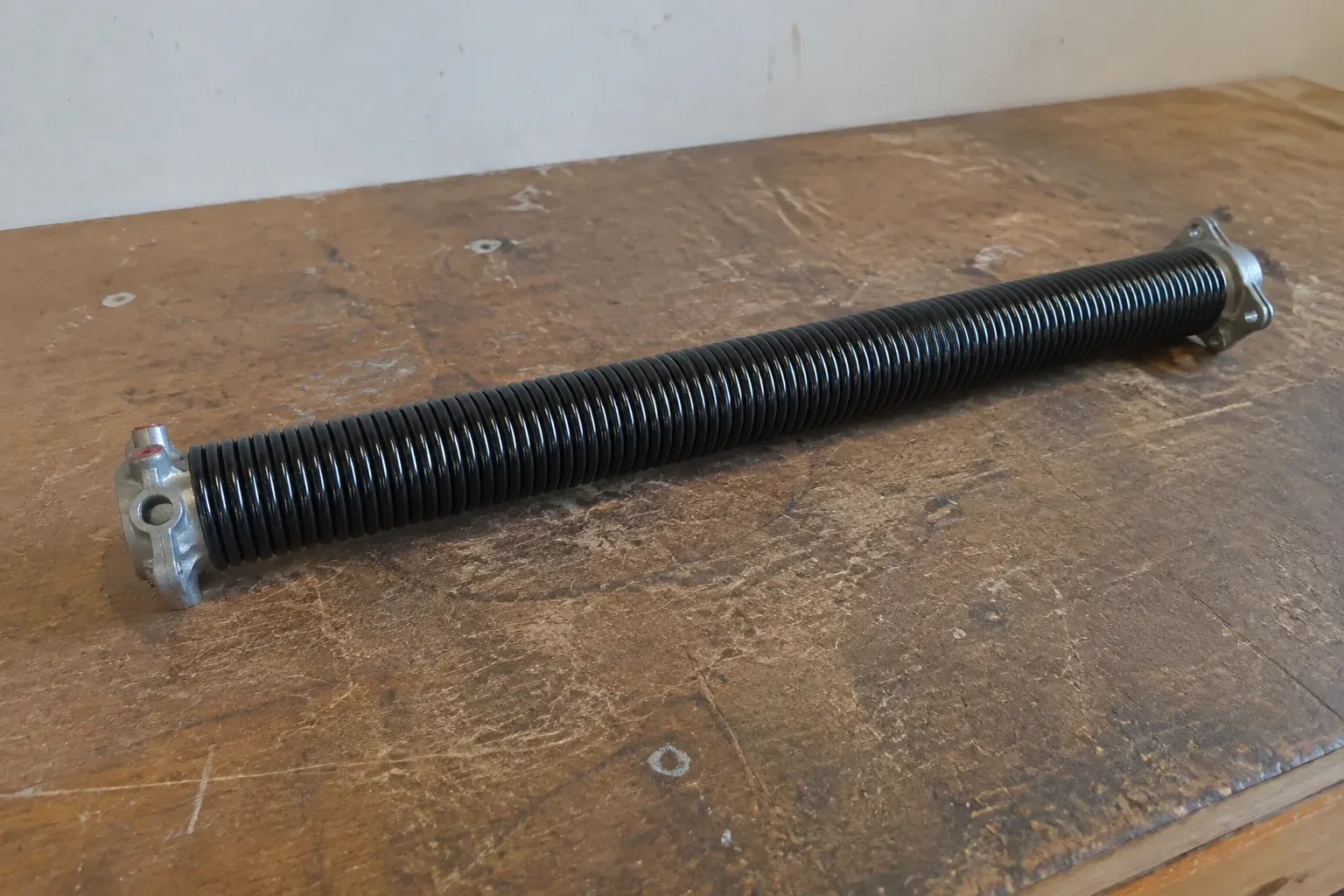
A spring can look fine and still be finished. Coils that have lost their gap, rust pitting along the wire and a door that needs a shove to start moving are all signs. Inspection is part of every hardware visit.
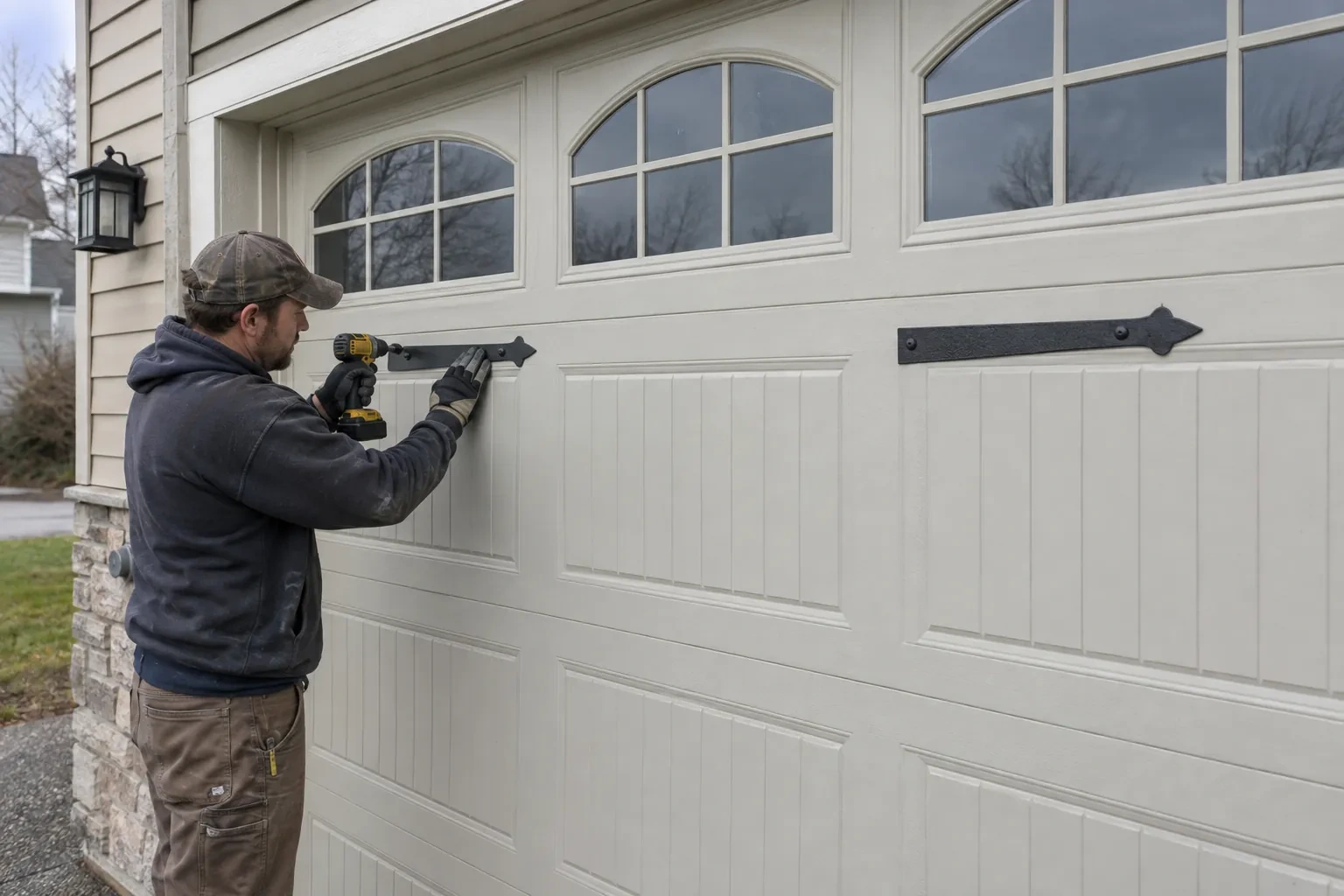
Carriage-house doors give a home the look of swinging doors while opening overhead like any sectional. They come in steel, composite and wood, and we install them with the trim and hardware that complete the effect.
The door opens about a third of the way and stops. Turning the limit screw on the head has made no difference, and the trolley seems to sit in the wrong place along the rail when the door is fully closed.
After the power came back you pulled the red cord to get the car out. Since reconnecting, the door stops short of the floor, and no amount of turning the limit adjustment brings it the rest of the way down.
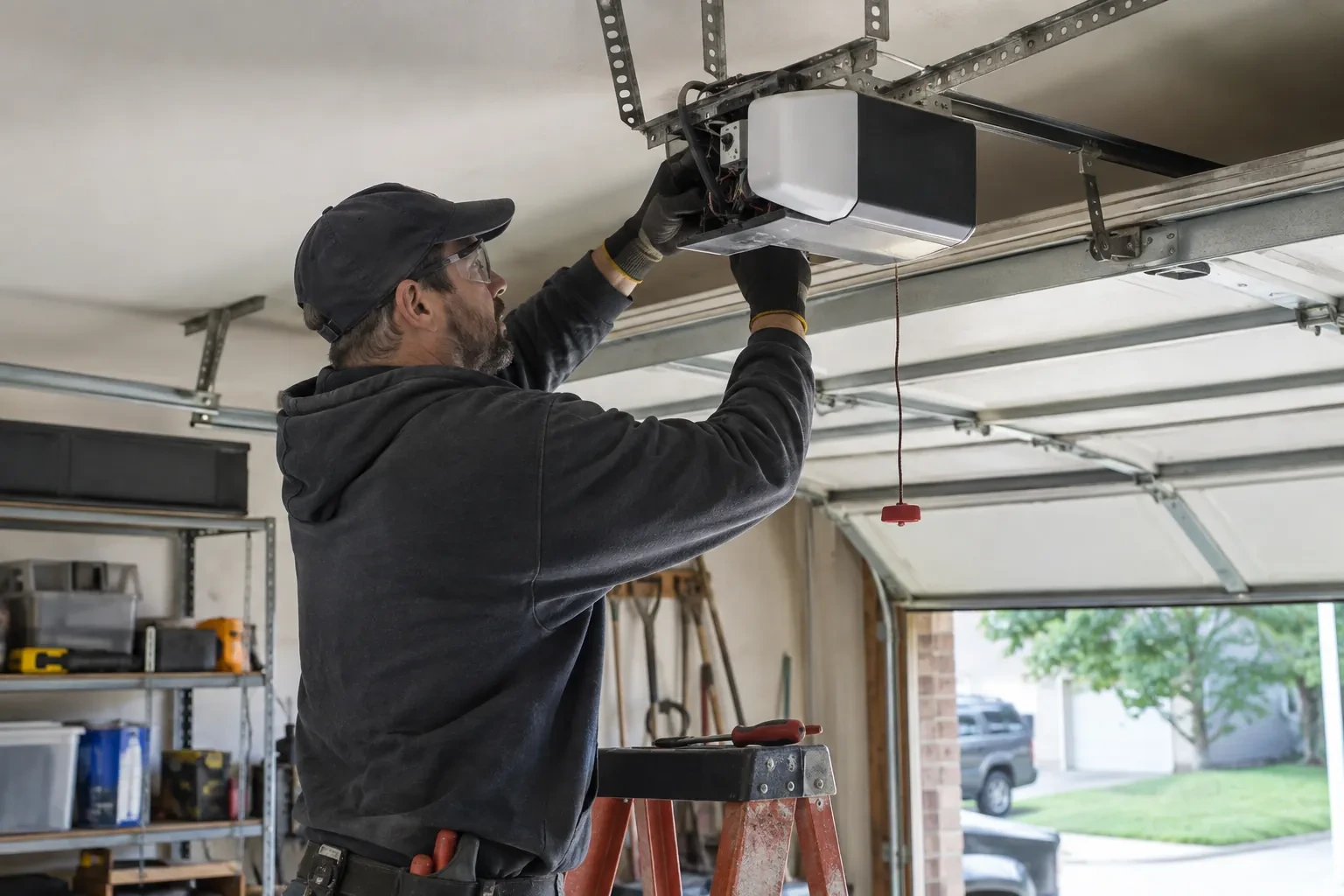
Press the button and the motor hums, but the door stays exactly where it is. Under the housing there is a dusting of white plastic shavings, the sign of a stripped drive gear, and this is the second time it has happened.
Someone backed the car in a little too far, a bin or a bicycle brushed the track, and since then the door starts to close and comes back up. One sensor now sits at a slightly different angle from the other.
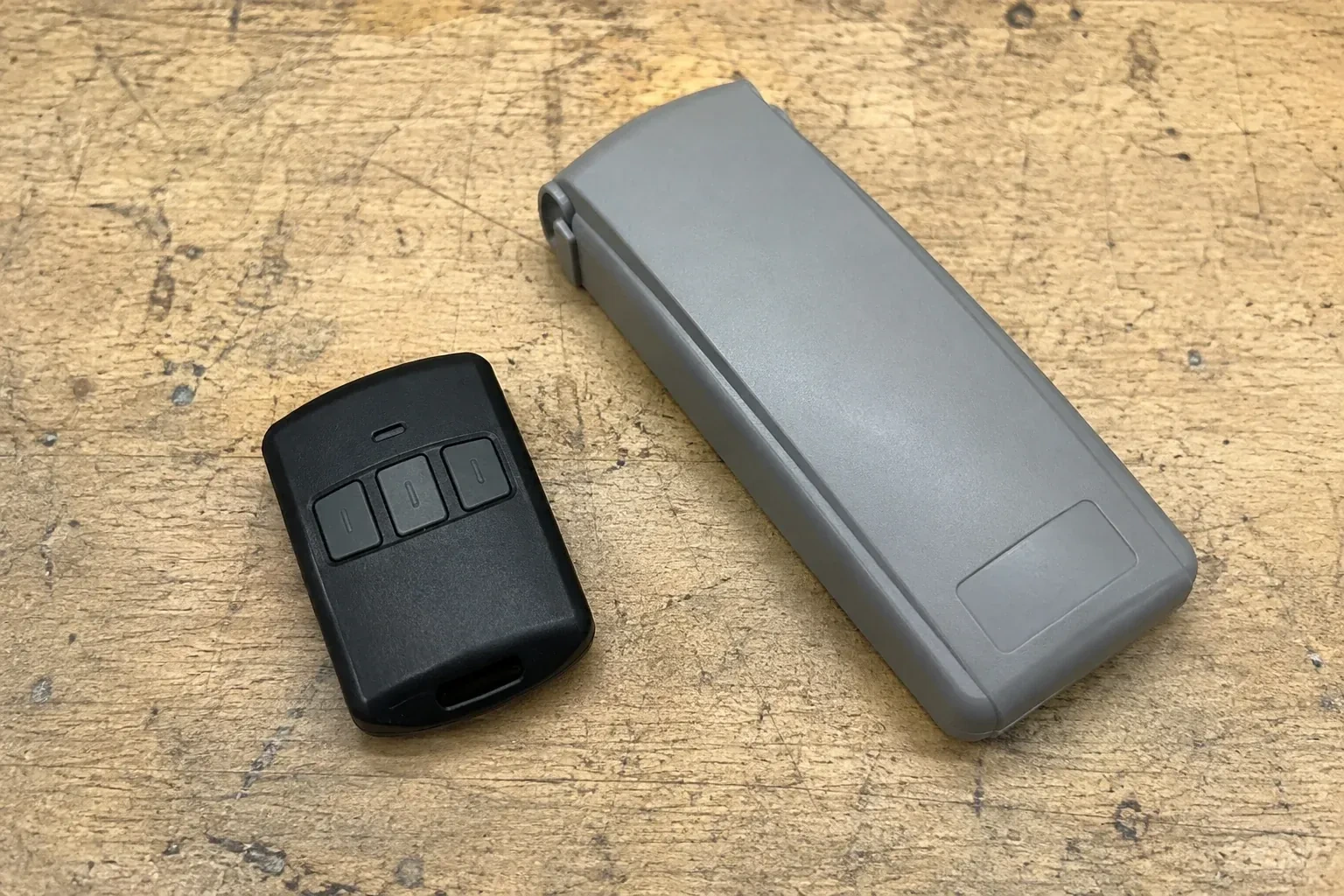
Your garage is detached and has no side door. The remote is dead, the keypad is dead, and the small round lock in the top panel is meant to be your way in.
Which fix fits?
The door came down fine but with a scraping noise, and now the vertical track on one side is bowed away from the wall.
WhyAn off-track reset is the visit that puts a crooked, jammed or hanging garage door back onto its rails.
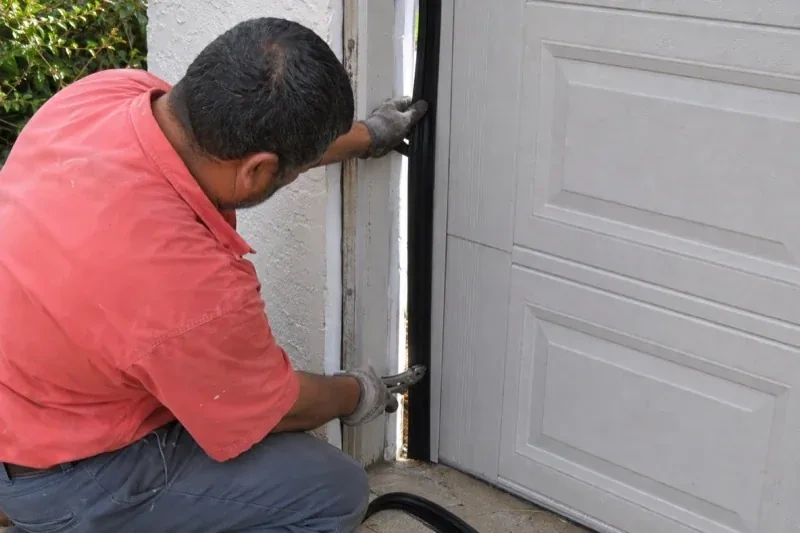
The bedroom over the garage is always the cold room, and standing in the garage you can feel why: a steady draft along the door edges that moves the cobwebs on the wall.
WhyA rolling door that has become unusually heavy or starts to drift is asking for a counterbalance assessment.
An entrance. Not an afterthought.
1/10Off-Track Garage Door Reset
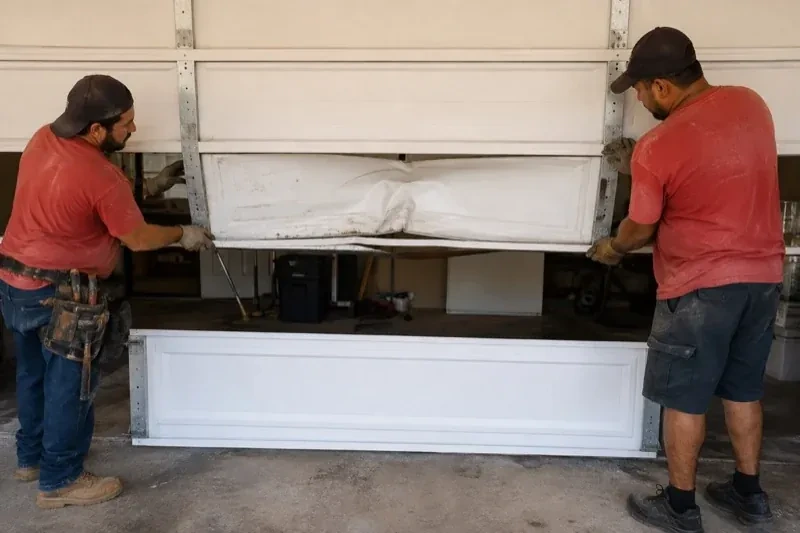
The door came down fine but with a scraping noise, and now the vertical track on one side is bowed away from the wall. Two screws have pulled out of the wood and the roller nearest the floor has no rail around it.
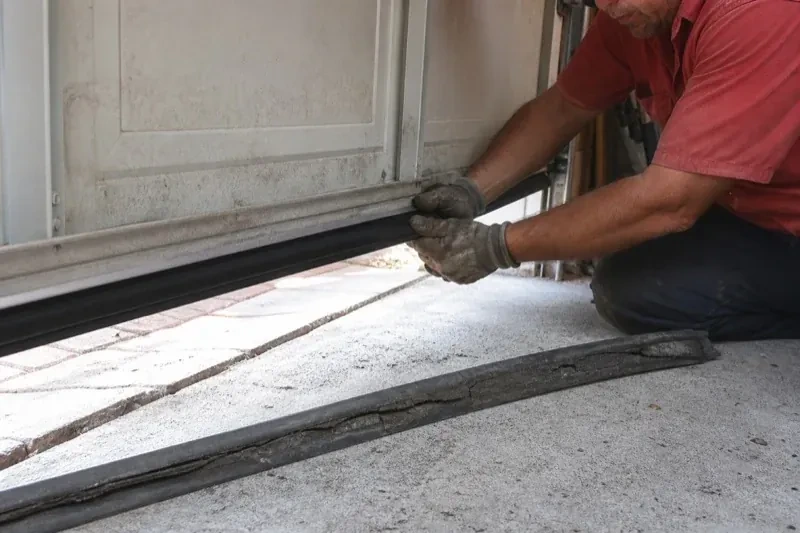
The bedroom over the garage is always the cold room, and standing in the garage you can feel why: a steady draft along the door edges that moves the cobwebs on the wall. The seal around the opening has flattened to nothing.
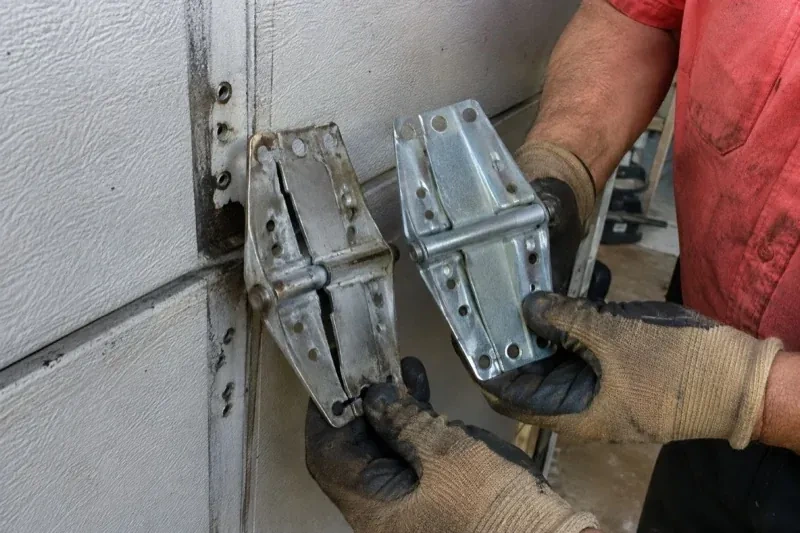
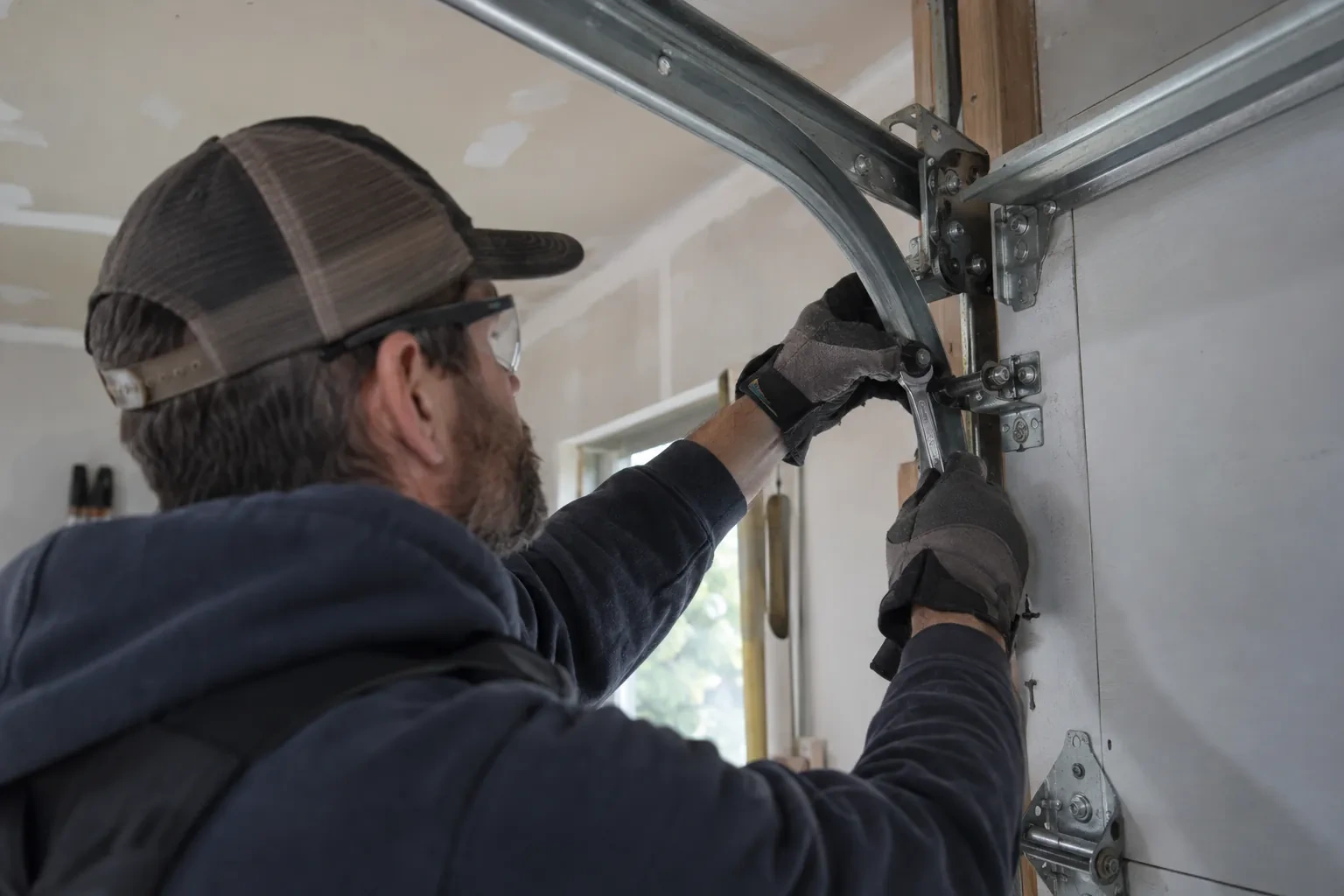
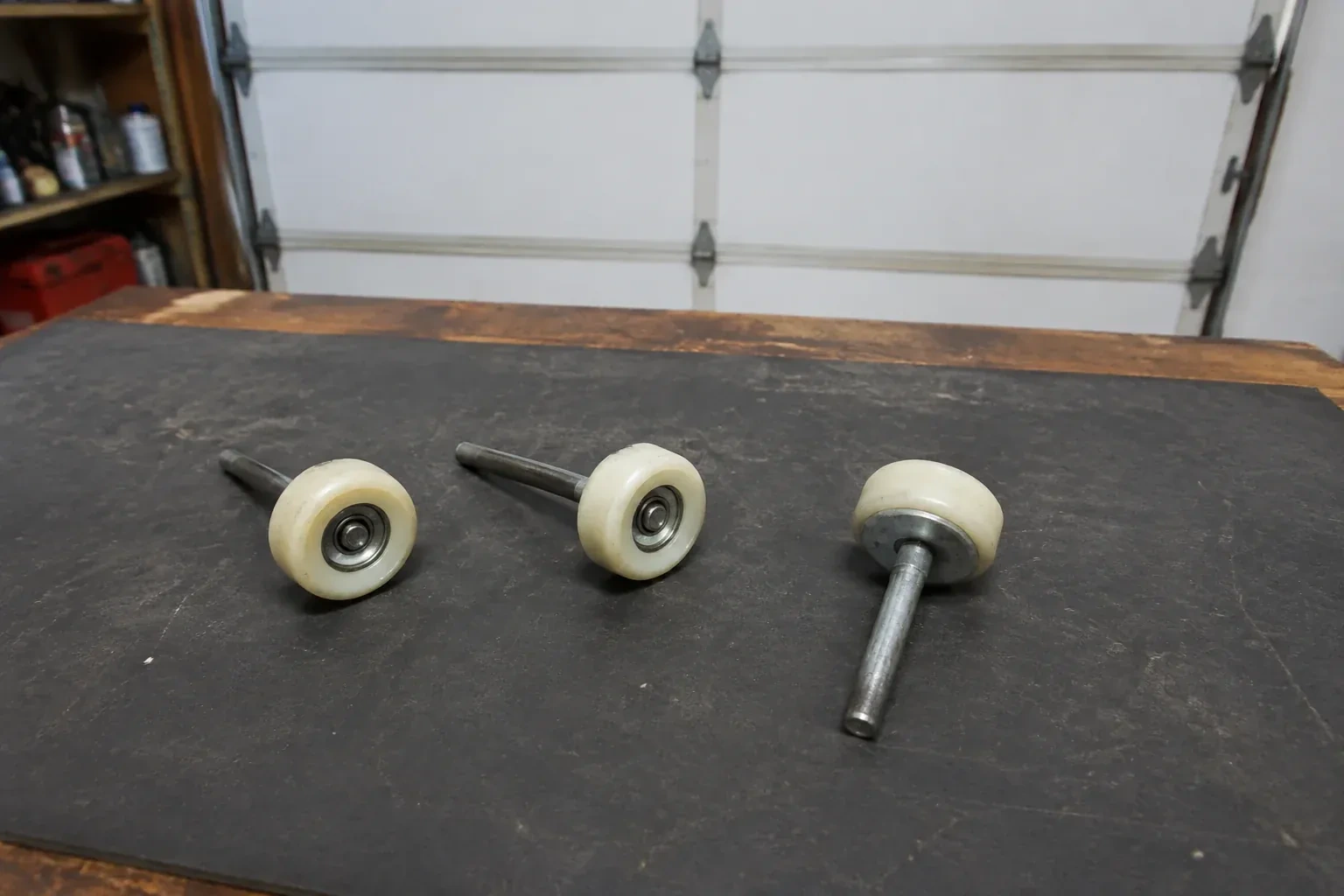
The roller at the top of the second panel is leaning outward and only half of the wheel is still in the track. Behind it, the hinge that should hold it flat against the door has a screw missing and another hanging by a thread.
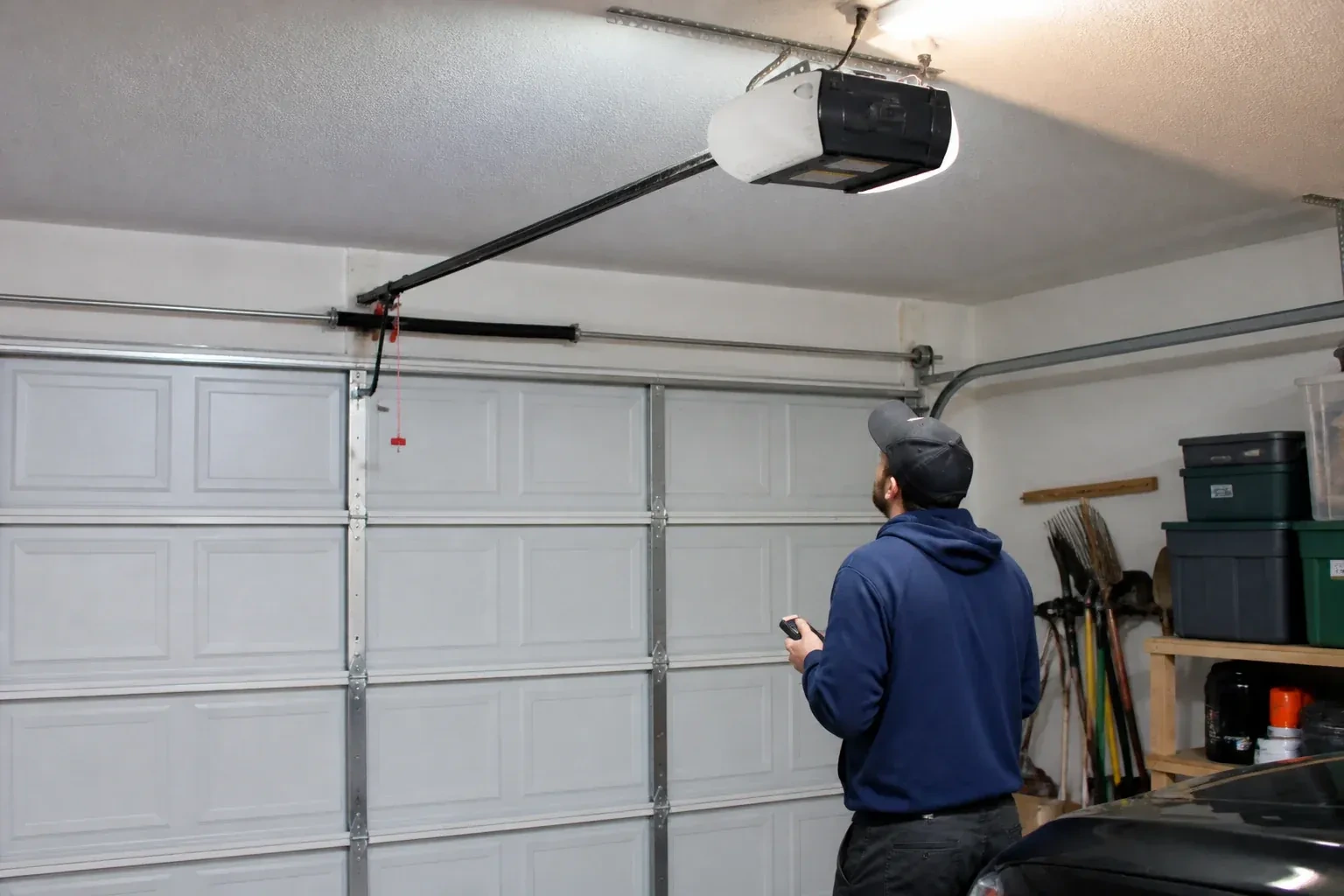
The wall button works every time. The remote only works if you are practically under the door; from the end of the driveway it does nothing at all. It started around the time you changed the bulbs in the opener to LEDs.
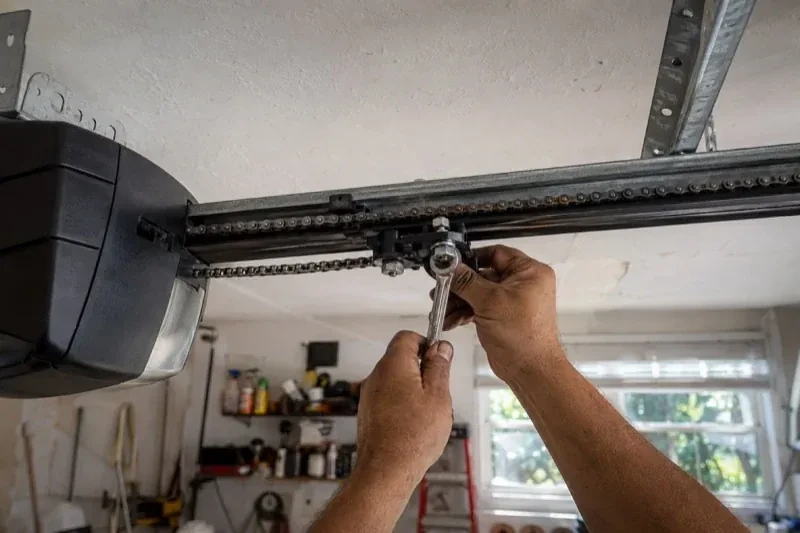
The chain hangs in a loop under the rail and slaps against it on every cycle. It used to sit snug. Now the whole house hears the door leave, and the sound has a metallic clatter it never had before.
The remote opens the door only when you are almost underneath it. From the end of the driveway you press five or six times and nothing happens. It started around the time the bulbs in the opener were changed to LEDs.
It is February. You come down in the morning and the garage door has stood open all night; the car is frosted inside, the furnace has run without a pause, and the pipe in the shared wall is your first worry. Nobody knew, because nothing told anyone.
Someone pulled the cord last spring to get a car out during an outage, and the door has never properly rejoined the opener. Press the button and the trolley glides along the rail by itself while the door stays exactly where it is.
You are adding an automatic opener to an older, very heavy door. Before pairing equipment, you want sections, reinforcement, balance hardware and track chosen together for predictable manual and powered movement.
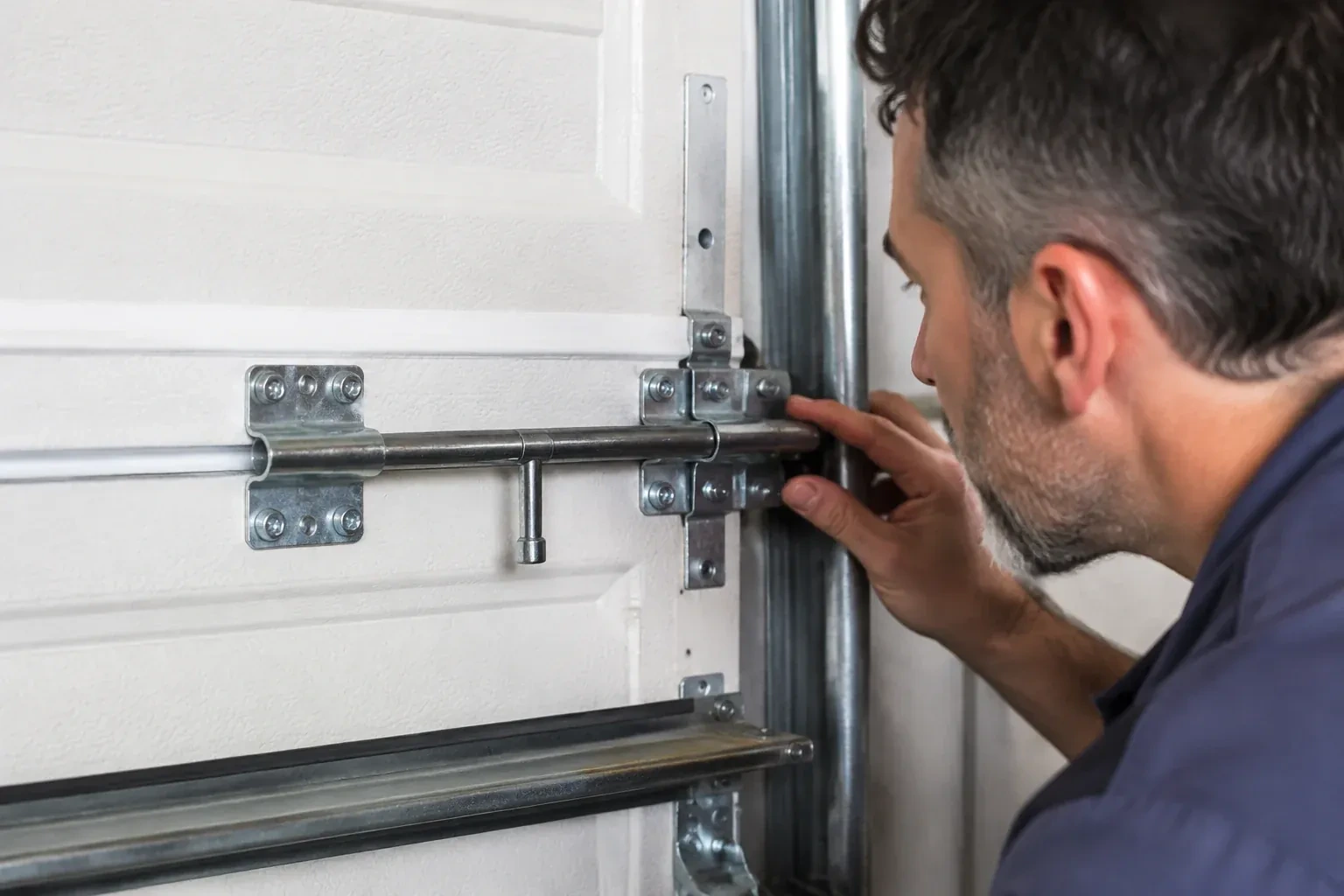
At closing time, the bottom bar reaches the floor on one end while daylight remains under the other. The slide bolts miss their keepers, leaving staff unable to secure the business opening in its usual way.
My door has springs along the sides, not above it. Is the reset the same?
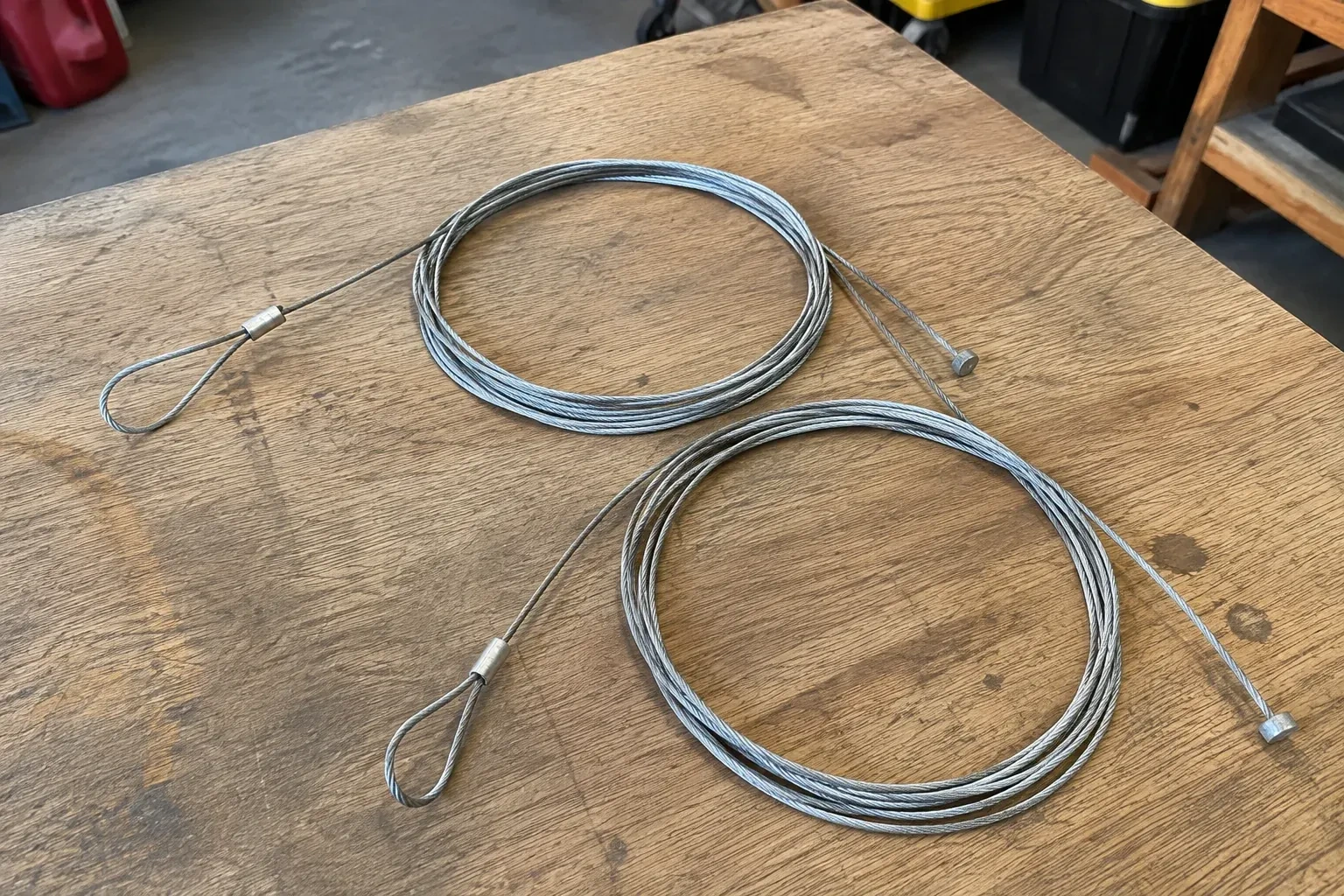
The principle is the same but the sequence differs. With side springs the door is first opened all the way and clamped, because that is the position where the springs carry no load; the cables are then checked over their pulleys and evened up at the clips. The technician also checks that a containment cable runs through each spring, which stops a broken spring flying across the garage, and fits one if it is missing.
How long does the visit take?
A straightforward fin replacement on a single door is often a matter of an hour or two once the technician is set up; a double door with a one-piece stop takes longer, and any jamb repair adds to it. Most of the time goes into checking the door, preparing the surface and setting the contact carefully, since those are what make the seal last. You are given a sense of the timing when the work is confirmed.
What happens during a hinge replacement visit?
The opener is disconnected and the door left closed. The technician inspects every hinge, roller and screw hole and explains what was found. Worn hinges are then changed one at a time with parts of the same number and gauge, tired holes are re-anchored, and rollers are renewed where needed. The door is run by hand to check the panels fold cleanly and the fit against the jambs, balance is tested, and the opener is reconnected and its safety reversal tested.
Why will the door close only while I hold the wall button?
That is a built-in behaviour, not a new fault. When the sensor circuit reports a problem, most openers refuse to close from a remote but allow a constant-pressure close from the wall control, because someone standing there can see the doorway. It is a strong signal that the photo eyes or their wiring need attention, and once the sensor issue is corrected the door closes normally from every control again.
What is the trolley, and why would it get stuck?
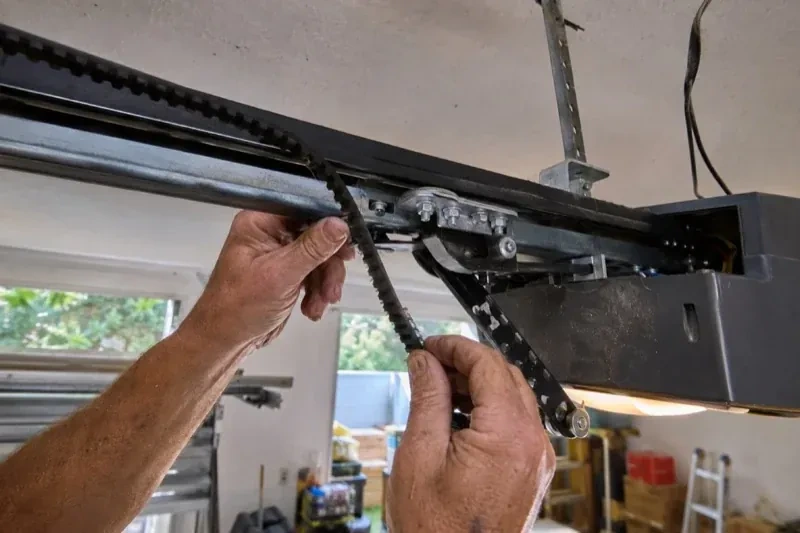
The trolley is the carriage that rides along the rail, pulled by the chain, with the door arm hooked to it. It gets stuck when the travel limits creep and it is driven onto the stop bolt at the head end or the stop tab at the door end, where the motor hums but nothing moves. The technician slackens the chain, runs the trolley off the stop under power, and pulls the limit back so it stops short in future.
Can a keypad work with any opener?
A keypad, like a remote, must match the opener's radio generation. Makers publish which keypads suit which openers, and universal keypads cover most units made since the mid-1990s. Very old fixed-code openers need an add-on receiver first, and then a keypad pairs with that receiver. The technician checks the match before the keypad's packaging is opened, so you do not end up with a device that lights up but cannot be heard.
Can one controller handle two garage doors?
Many hubs support two doors from one unit, each with its own door sensor, and each door appears separately in the app with its own name, status and history. Openers with built-in radios register individually, so a two-door garage with two connected openers simply shows two doors under one account. The technician confirms which arrangement your hardware supports before the visit.
Why should the door be closed before I pull the handle?
Because once the trolley lets go, the door is held only by its springs. A well-balanced door will stay put wherever it is, but a door whose springs are tired can drop, and one that is over-tensioned can rise on its own. Even with the door already on the floor it can still move unexpectedly, so keep the opening clear whenever the release is pulled. The industry checklist and opener makers give the same instruction: disconnect with the door fully closed.
Which insulation details should I compare?
Look beyond a single thermal number. Compare section construction, insulation type and thickness, seals between panels, glazing and the perimeter weather seals included in the proposal. How often the door opens and how well it fits the floor also influence comfort. Product literature provides the appropriate performance information for the exact model.
How are salt and winter moisture handled?
The lower guides, sill, fasteners, bottom seal and sensor faces are checked for ice, grit and corrosion. Buildup is cleared with methods suited to the material, drainage issues are noted and damaged sealing parts can be renewed within scope. The door is tested after cleaning because cold-weather resistance can exist alongside an alignment or balance problem.
Request a visit
Our way of working in Glen Morris is simple. Listen to what you noticed, inspect the door from the bottom seal to the header, explain the cause in ordinary words, and offer the sensible options with their prices, on site, before the work begins. Parts that still have life in them are left alone.